- Nike sells RTFKT unit, marking a significant retreat from the NFT market.
- The sale aligns with Nike’s strategic shift toward its core sports business.
- It highlights the challenges of sustaining NFT ventures amid the market downturn.
Nike’s high-profile experiment with non-fungible tokens has finally come to an end as the company sells its RTFKT unit. In an attempt to focus solely on its core business, the footwear company has sold its digital products unit.
This move comes amid the NFT market’s recent downturn, with the industry falling by over 67% year-over-year. Despite a good start to 2026, these assets are far from their initial hype.
Notably, Nike’s decision to exit the digital collectible space has raised questions about the future of virtual sneakers. It has also invoked a new wave of discussions about the role of NFTs in the sports apparel industry.
Why Nike Abandons NFT Ambitions?
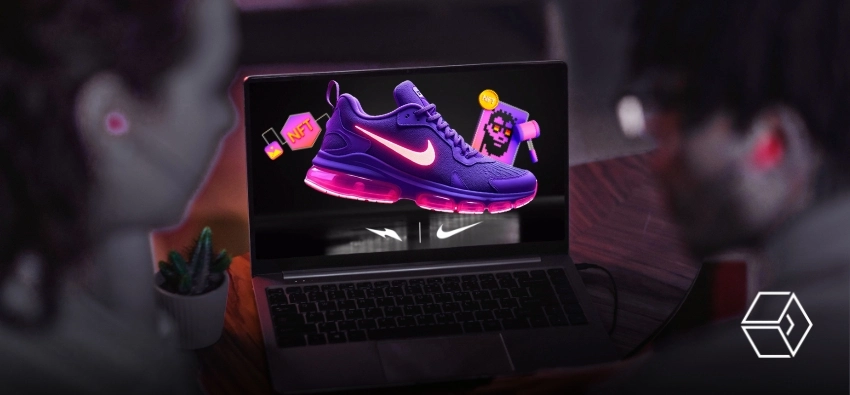
According to a recent Wu Blockchain post, Nike has completed the sale of RTFKT, its digital products and NFT subsidiary. This marks the company’s retreat from the NFT space. Despite this announcement, the company hasn’t revealed the buyer of the financial terms of the deal.
Nike’s RTFKT sales deal was reportedly finalized around December 16, 2025. This comes after a year the company halted RTFKT’s operations. According to Nike, the RTFKT sale marks a “new chapter for the company and its community.”
It is worth noting that Nike’s RTFKT also aligns with CEO Elliot Hill’s strategic priorities. As he took over the charge in 2024, Hill wanted to focus on the firm’s core sports business, reinforcing wholesale relationships.
With the RTFKT sale, the company is shifting its focus from blockchain-based consumer products, emphasizing its core business in physical athletic wear. The company will also pursue selective partnerships with gaming companies.
Significantly, the company’s decision to abandon its NFT ambitions is rooted in the industry’s recent downturn. The market continues to fall substantially from its 2021 peaks. It is worth noting that the overall trading volume of non-fungible tokens has plummeted significantly as they fail to attract new investors.
However, the NFT space is now experiencing a significant recovery. Since the beginning of 2026, the market has exhibited notable gains, attracting more investors. As Times of Blockchain reported earlier, the NFT market has seen notable progress in sales volume and market capitalization.
Legal Challenges Explained
When the market was at its highest point, Nike heavily invested in RTFKT, showing its interest in exploring the digital art space. However, when it began to decline, the company halted its operations and decided to focus exclusively on its business. The decision also follows the company’s legal challenges, where investors alleged the company was responsible for about $5 million in losses related to RTFKT’s assets.
During its peak time, the RTFKT NFTs fetched thousands of dollars as it promised holders exclusive experiences. However, as market conditions worsened, they couldn’t keep the promise; engagement dwindled, prices plummeted, and the business collapsed. This resulted in millions of losses for the investors.
When Nike officially halted RTFKT’s operations, it sparked a class-action lawsuit against the sports giant. Investors alleged that the shutdown devalued their tokens. They also argued that Nike offered unrealistic promises. The lawsuit, which sought $5 million in damages, underscores the tension between marketing NFTs and their dependence on the brand’s involvement.