Key Highlights:
- Alibaba Cloud partners with Theta Labs to make its Qwen AI models available through the decentralized Theta EdgeCloud platform.
- Qwen3.8-Max and Qwen3.8-Flash are now accessible through Theta EdgeCloud’s on-demand model APIs.
- The alliance aims to expand access to enterprise-grade AI for Web3 developers, with plans to add more models and AI services over time.
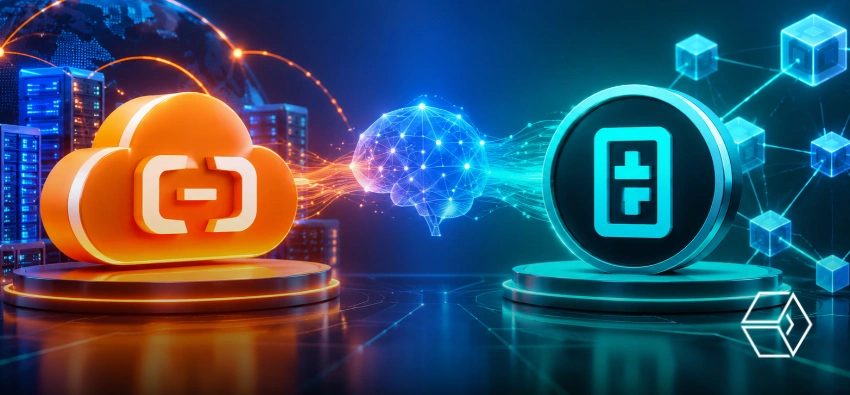
Alibaba Cloud forges an alliance with Theta Labs to bring its Qwen AI models to Web3 developers across the globe through Theta EdgeCloud, a decentralized GPU computing platform. The embedding makes models including Qwen 3.8-Max and Qwen 3.8-Flash available through EdgeCloud’s on-demand model APIs. This gives developers another way to avail advanced AI capabilities outside conventional centralized cloud platforms. The alliance combines Alibaba’s cloud’s AI model offerings with Theta’s hybrid cloud-edge infrastructure.
This targets developers building decentralized applications and AI-powered services. The firms also plan to expand the model range and services available through the platform in the coming months as decentralized computing providers seek a larger role in AI infrastructure and distribution.
How Will Alibaba Cloud and Theta Network Bring Qwen AI Models to Web3?
The alliance makes Alibaba Cloud’s Qwen AI models available through Theta EdgeCloud. This expands access for developers building decentralized applications and Web3 communities. The primary integration includes Qwen 3.8-Max and Qwen 3.8-Flash, which are listed in Edge Cloud’s on-demand model API catalog. According to the announcement, the collaboration marks one of the first times a major global cloud provider offers its frontier AI models through a decentralized GPU computing network. Instead of accessing Qwen exclusively through centralized cloud platforms, developers can now run the models on Theta EdgeCloud’s distributed infrastructure.
Qwen is Alibaba Cloud’s family of large language models designed for a vast range of AI applications. This highlights the model family’s multilingual capabilities, benchmark performance, and range of model sizes as key drivers of developer adoption. Theta Edge Cloud combines cloud and edge computing infrastructure to support AI workloads. Through this collaboration, Alibaba Cloud and Theta Labs aim to make advanced models accessible to Web3 developers while offering greater flexibility in how and where AI workloads run.
Mitch Liu, co-founder and CEO of Theta Labs, described the arrangement as a cornerstone for the ecosystem. He said it illustrates the potential for decentralized edge infrastructure to distribute enterprise-grade AI models.
Leo Li, head of digital native and AI sectors at Alibaba Cloud, said the collaboration would help Qwen models reach developers building in the Web3 ecosystem, regardless of whether their projects operate in centralized or decentralized environments.
What Does the Alliance Mean for Decentralized AI Infrastructure?
For Theta EdgeCloud, the integration represents an opportunity to demonstrate that its hybrid cloud-edge architecture can distribute AI services from a major cloud provider. The firm is positioning the platform as an option for developers seeking access to advanced models through decentralized computing infrastructure. For Web3 developers, the alliance adds another way to access Qwen models. The distributed approach is intended to provide greater adaptability and control over AI workloads. It will also provide cost benefits depending on the workload, infrastructure, and usage requirements.
However, the announcement does not contain specific pricing comparisons or measured cost savings. The partnership could also expand the range of AI applications built across the Theta ecosystem. Developers may use the available models to support AI-powered applications and community experiences. For Alibaba Cloud, Theta EdgeCloud provides another channel to reach developers and organizations building decentralized applications.
Making Qwen models available through the platform could extend their reach beyond users accessing AI through conventional cloud services. Looking ahead, the companies plan to bring more Qwen models and AI services to Theta EdgeCloud. The alliance reflects a rising intersection between AI model providers and decentralized computing networks.
By combining Alibaba Cloud’s Qwen offerings with Theta EdgeCloud’s distributed infrastructure, the companies aim to widen access to AI tools for Web3 developers. The longer-term impact will depend on developer adoption, model availability, infrastructure performance, and the practical costs of running AI workloads through decentralized networks.