The development of cryptocurrency exchanges, integrated with non-fungible token (NFT) markets, has changed how individuals engage with digital assets. These exchanges have created all-encompassing environments, combining trading, collecting, and participating in Web3. What used to involve two separate platforms, namely, crypto exchanges and NFT marketplaces, is now accomplished using one platform without any additional effort or time. This transition is due to the increasing demand for enhanced efficiency, liquidity, and access to NFT trading platforms by 2026.
As competition rises among cryptocurrency exchanges, leading providers are beginning to include NFT functionality within their respective infrastructures, providing their users with multi-chain access to lower fees and consolidated wallets. Consequently, there is a new age of platforms being developed that are making it easier than ever to interact with NFTs, while simultaneously transforming the entire cryptocurrency environment through creativity, scale, and ecosystem compatibility.
Evolution of NFT Marketplaces Within Crypto Exchanges
NFT marketplaces have transitioned from independent platforms to integrated parts of the overall crypto exchange ecosystem, with early leaders like OpenSea dominating early adoption. However, fragmentation in the market, combined with liquidity challenges, has motivated exchanges to create native solutions. Early NFT trading platforms in 2026 operated independently, but crypto exchanges with NFT marketplaces now offer NFT capabilities, allowing users to access assets on multiple chains like Ethereum and Solana through a single interface.
The key innovations seen in this area include liquidity aggregated from multiple sources and Web3 wallets built into the exchange experience, which simplify and speed up the onboarding process. There is also a shift from speculative PFP NFTs toward utility-oriented assets such as gaming assets, RWAs (real-world assets), and digital identity solutions.
For exchanges, adding NFT products is not only strategic but will also help increase user retention, create additional cross-product monetization opportunities, and enhance ecosystem stickiness, ultimately positioning them as Web3 “super hubs” rather than just trading venues.
Top 5 Crypto Exchanges with Built-in NFT Marketplaces
1. Coinbase – Institutional NFT Gateway
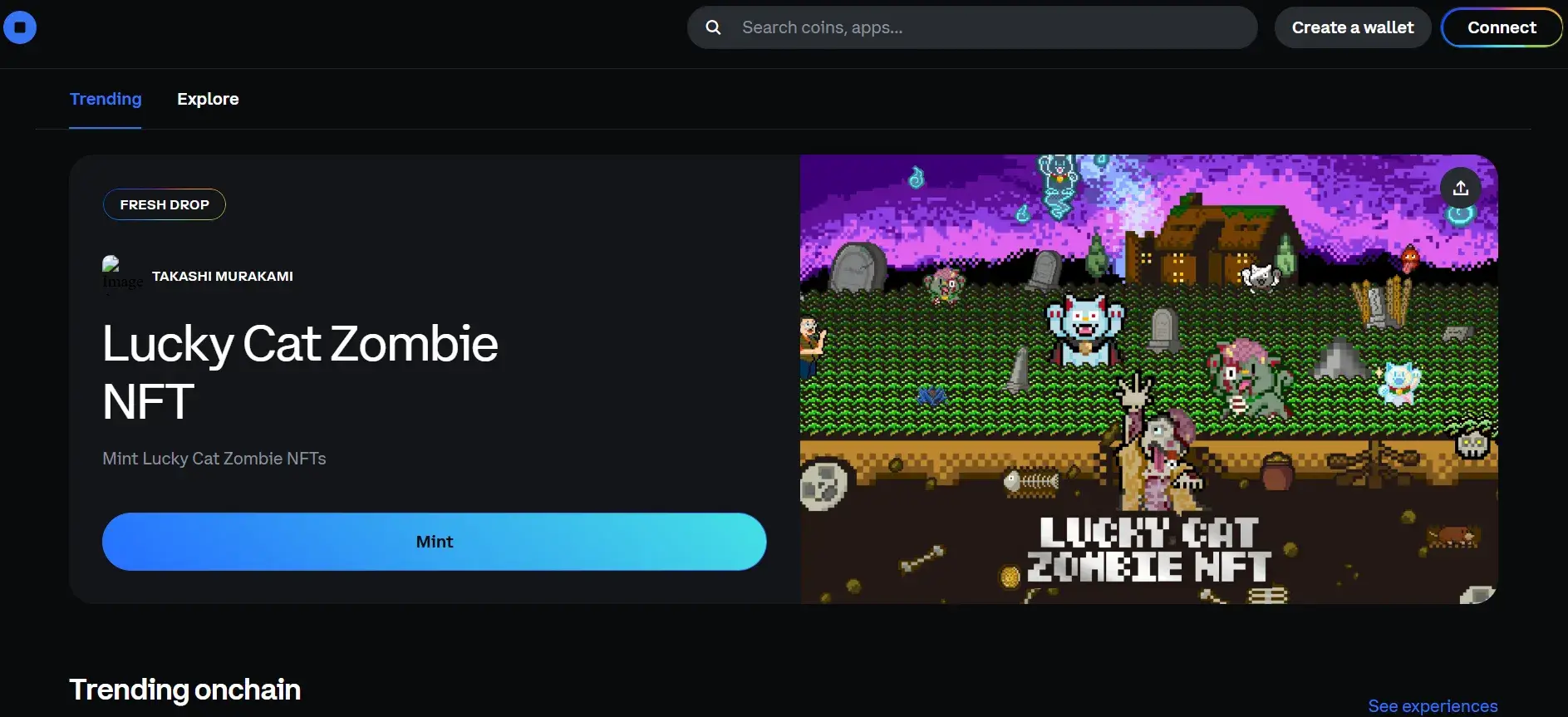
With more than 120 million verified users, Coinbase NFT marketplace is often regarded as the leader of centralized exchanges with NFTs. Its NFT strategy is tied to the Base Layer 2 ecosystem, with a focus on increased scalability and user engagement. Coinbase is focused on developing social features for NFTs as part of the continued growth of the creator economy and positions itself as one of the best crypto NFT marketplaces for institutional players. Coinbase’s competitive advantage also comes from being a recognized leader in regulatory compliance and trusted custodian solutions.
Coinbase continues to expand partnerships, enhance security infrastructure, and integrate advanced analytics tools to allow smooth onboarding experiences and institutional adoption.
2. OKX – Multi-Chain NFT Aggregator Leader
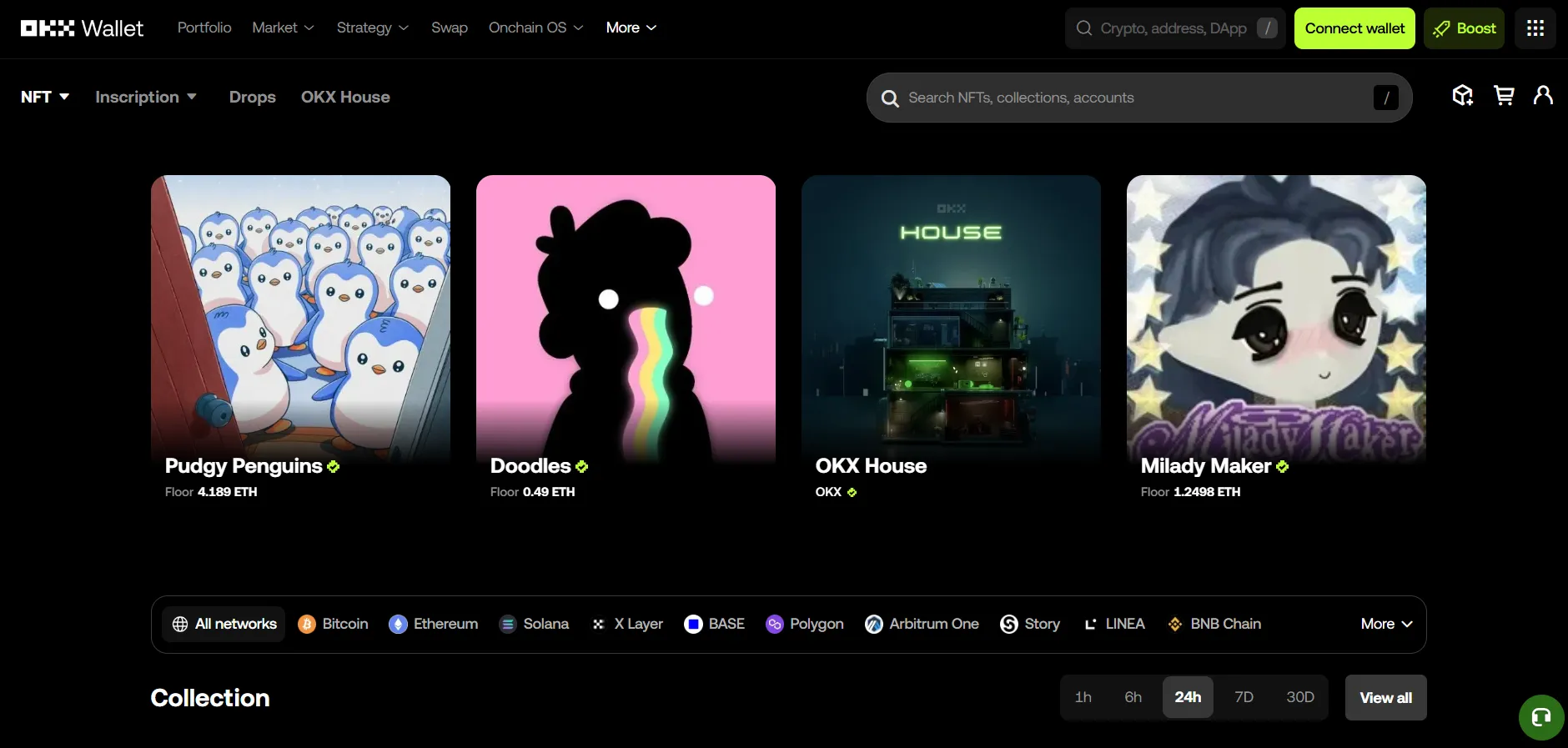
OKX NFT Platform leads the NFT exchange comparison list, allowing users to utilize liquidity from the most popular platforms, such as OpenSea and Magic Eden, to find a comprehensive selection of NFTs without switching between multiple platforms. OKX has also streamlined how users access both cryptocurrency and NFT trading through a single account, increasing the overall capital efficiency of using this multi-chain NFT platform that supports 15+ blockchains for easy transactions.
The most significant USP for OKX is that it combines foundational DEX functionality with aggregated NFT listings, enabling users to trade via OKX with zero listing fees. This helps users save costs when trading NFTs through this platform. As one of the most effective NFT marketplaces for crypto, OKX has positioned itself as the number one NFT trading platform in 2026, owing to its speed, ease of use, and liquidity provided by OKX’s aggregated DEX functionality for trade executions.
3. KuCoin – Altcoin and Emerging NFT Hub
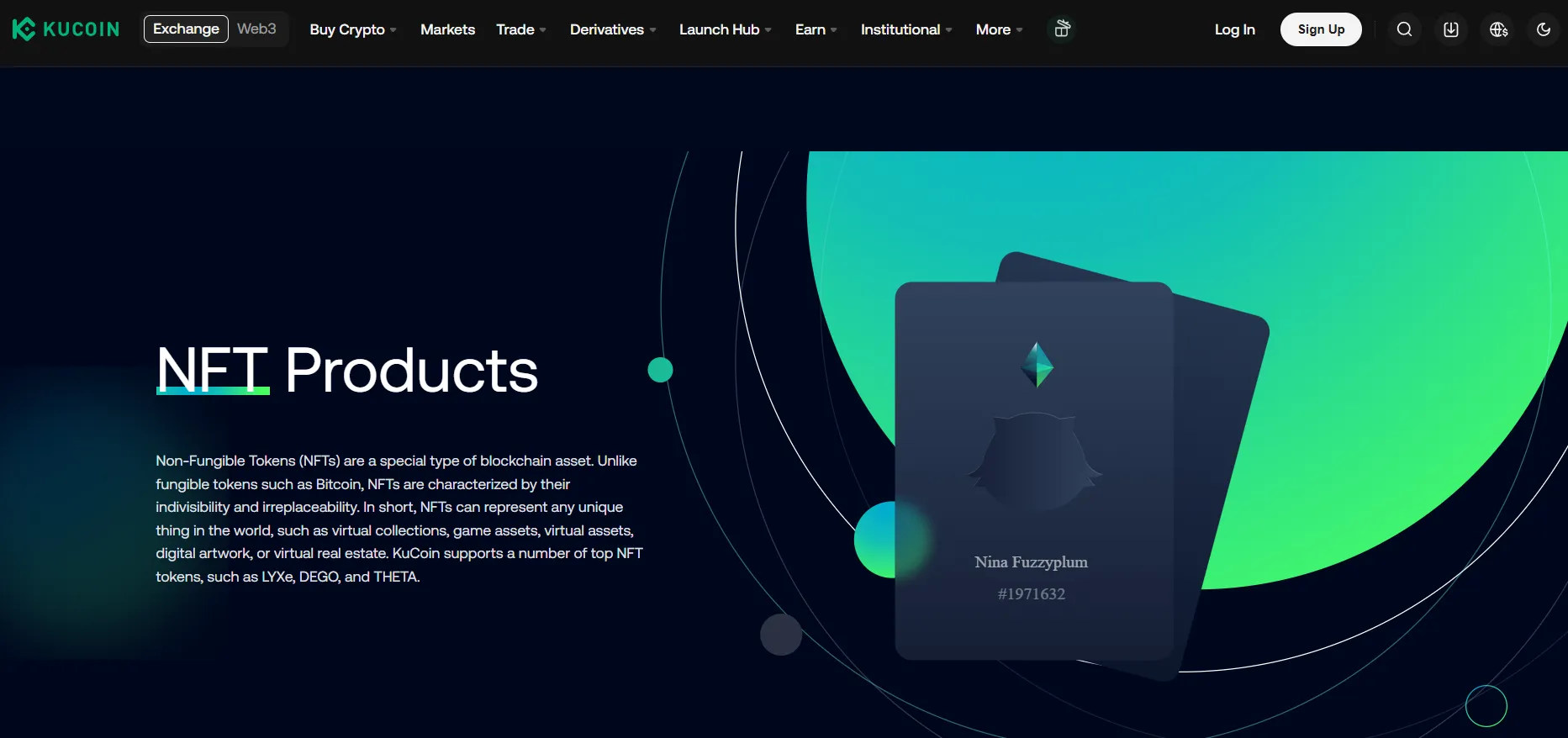
KuCoin is becoming a major player in the world of NFT trading platforms, currently holding a great deal of the overall trading volume for altcoins. The integrated Windvane marketplace offers access to the latest gaming-related NFTs, virtual metaverse assets, and collectible digital art. These three focal areas support the future growth of digital currencies and cryptocurrency use cases like those found in Web3 environments.
KuCoin is one of the fastest-growing crypto exchanges to offer an NFT marketplace specifically designed for users to find brand-new NFT projects before they become available on the more typical platforms. KuCoin’s global reach, along with its ability to innovate continually, has the potential to become the premier source for locating unique digital assets as the market continues to expand into multiple NFT chains.
4. Bitget – Cost-Efficient Multi-Chain Platform
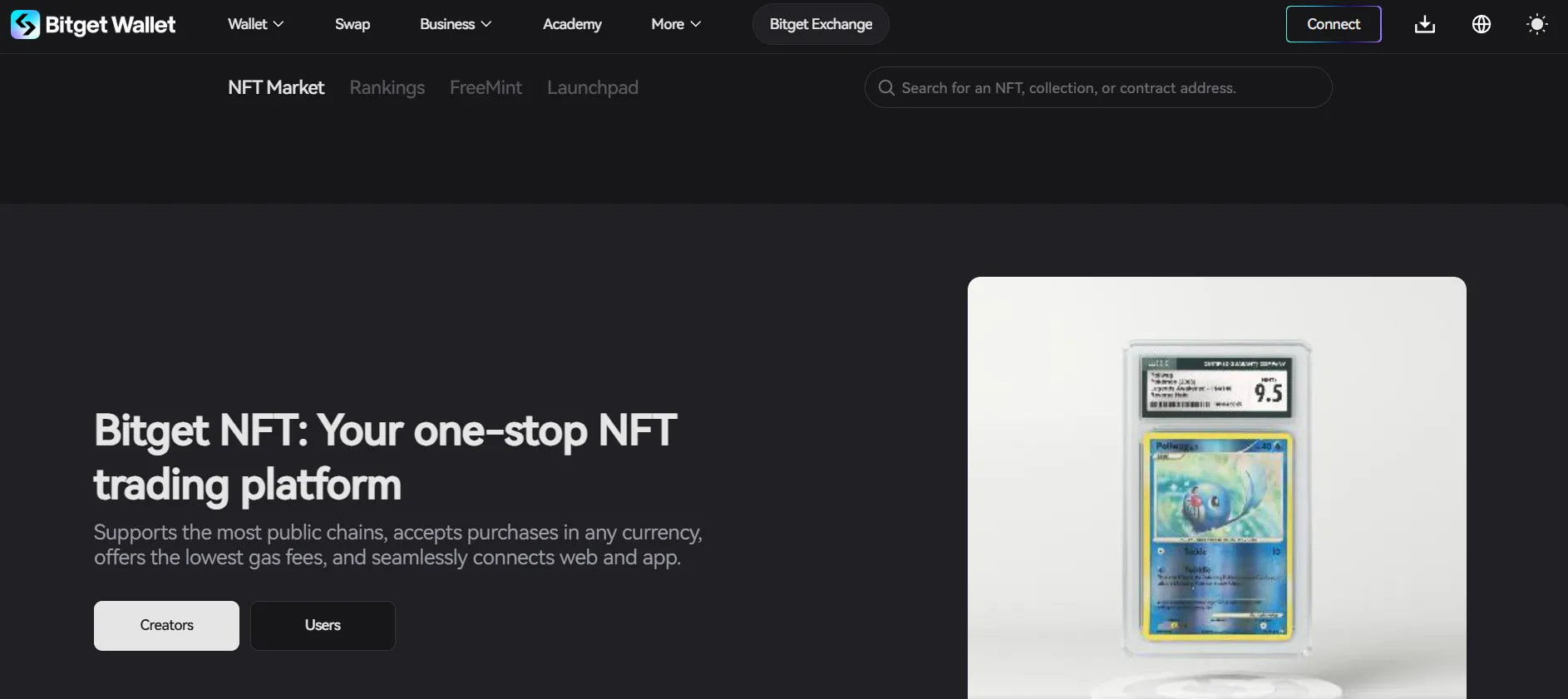
Bitget is becoming more popular as it continues to offer low-cost cryptocurrency and NFT exchanges. Bitget supports almost 1,300 digital currencies, with very low transaction rates for buyers or sellers. It is a great option for new and experienced traders. It focuses heavily on GameFi and metaverse assets, so it takes advantage of all the trends in the NFT Marketplace.
The growing multi-chain NFT marketplace with easy access to NFTs on multiple blockchain layers allows users to find what they want without any difficulty. With its ability to transact with one account and low fees, Bitget is one of the best overall selections for anyone looking for efficient purchases and/or value when looking to sell.
5. Crypto.com – Mainstream NFT Adoption Engine
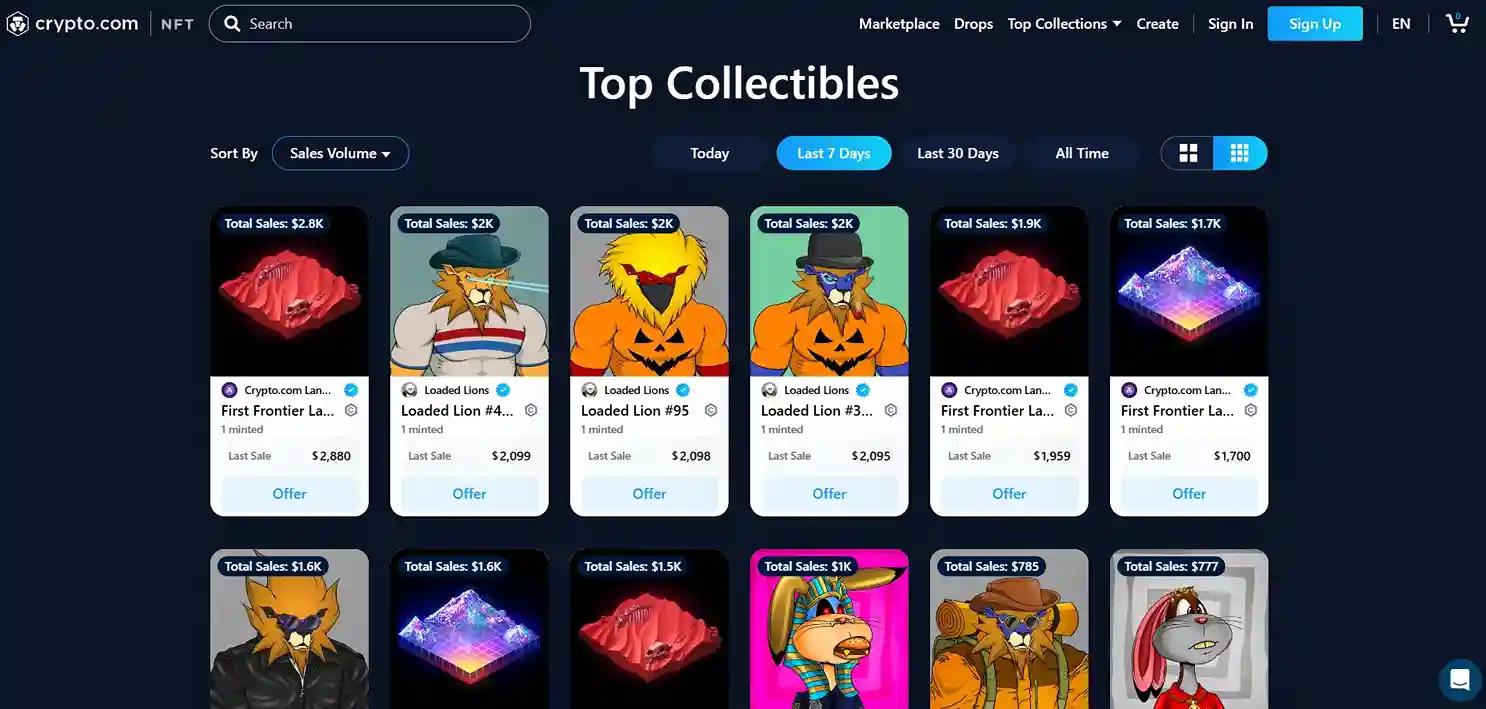
The Crypto.com NFT marketplace is a strong contender amongst crypto exchanges with NFT marketplaces. The platform comes with a mobile-first ecosystem and a global user base of over 150 million. It lets users switch between crypto trading and NFT purchases instantly with the app itself, adding to the accessibility factor.
The platform is currently focusing on mainstream adoption through exclusive partnerships in sports, entertainment, and global brands. These collaborations give users a chance to access official and licensed NFT collections, which makes Crypto.com one of the best NFT marketplaces for retail and non-technical users.
Additionally, the Cronos Blockchain integration ensures fast and cost-efficient transactions, while multiple fiat payment options make onboarding simple. With its emphasis on usability, brand-driven NFTs, and mass-market appeal, Crypto.com continues to play a critical role in expanding NFT adoption beyond traditional crypto audiences.
Liquidity Models in NFT Marketplaces
Centralized order books exist in many centralized exchanges with NFTs, and this provides a structured price environment and an optimal platform for execution. Aggregated liquidity is provided on advanced crypto exchanges using NFT marketplaces through multiple listing sources, with better price efficiency and accessibility.
Active and passive approaches to AMM-based NFT trading will eventually introduce a decentralized price model but will continue to develop. Aggregators will be one of the most beneficial models for solving the fragmentation that currently exists among the top crypto NFT marketplaces by improving access to, enhancing the overall user experience, and providing more efficient markets through the speed of execution and cross-platform access.
Regional Adoption Trends and Market Drivers
The global adoption of NFT trading platforms in 2026 will differ greatly by region. In India, where there is a lot of interest in gaming and digital assets, the adoption rate will be 15.5%, the highest of all countries.
In Asia, the majority of the growth of multi-chain NFT platforms will come from gaming and P2P activity. In the U.S., demand for regulated centralized exchanges with NFTs will be driven by institutional NFT adoption. While Europe focuses on meeting MiCA compliance regulations, it will also be a factor in developing secure crypto exchanges with NFT marketplaces. Throughout the region, the UAE will continue emerging as a leader in providing web3 services. These regional differences will further show how the leading NFT crypto marketplaces will adjust their strategies based on localized market conditions.
Future Outlook – The Rise of NFT Super Apps
In 2026, the evolution of NFT exchanges shows that more people are moving to comprehensive super applications than to stand-alone NFT platforms, consolidating services into single cryptocurrency-based exchanges, which include NFT marketplaces. The trend towards RWA tokenizing, social finance, and AI-generated tokens, among others, is supported by scalable multi-chain NFT implementation.
The evolution of exchanges into multi-faceted entities will extend beyond simply facilitating cryptocurrency trading and will begin to incorporate decentralized finance (DeFi), identity solutions, and numerous NFT ecosystems as they aid in restructuring the comparison framework among the different types of NFT exchanges. Therefore, the hybrid solution of CeFi and DeFi will dominate the future of the best NFT gaming marketplaces because they provide users with the benefits of safety, security, and decentralization.
The NFT marketplace is rapidly evolving away from a speculative atmosphere with excessive hype toward a more practical, utility-based ecosystem. Advanced blockchain technology in the form of cryptocurrency exchanges with NFT marketplaces is accelerating the transition to the next wave of NFT growth. Certain key elements will play an essential role in continued improvement in NFT market conditions, including liquidity, regulatory enforcement, and multi-chain capabilities for NFTs.
With increased competition, the leading crypto NFT exchanges can now offer a comprehensive ecosystem where users engage in trading, NFTs, and decentralized services. Centralized exchanges that offer NFTs are not simply exchange platforms. They serve as the foundation for widespread adoption of Web3 services and products, driving innovation and improved access to digital goods.