
Why Multi-Chain Wallets Matter in 2026
With the blockchain industry evolving to include EVM and non-EVM chains, rollups, and new ecosystems such as Ordinals and zk networks, users look for wallets capable of providing a seamless experience. A multi-chain crypto wallet is now a requirement for a portfolio, not just for storing value.
This shift has been propelled by technological advances beyond accounts with seed phrases, for example, smart accounts, multi-party computations (MPC), and ERC-4337 account abstractions. The advancements these technologies have made will allow multi-chain wallets to be more secure, modular, and programmable.
Choosing a wallet has become a strategic decision for a user, as this decision determines how you interact with protocols and how your assets are protected and made future-proof. Therefore, the best multi-chain wallet available today is as much about the underlying technology and integrations as it is about the cosmetic form of the user interface.
Core Technological Shifts Defining Modern Wallets
Multi-chain wallet development represents changes in blockchain infrastructure and user demand.
A. Multi-Party Computation (MPC)
MPC provides a way to replace traditional ‘whole’ private keys with distributed shares, resulting in far less risk from single-point failures due to hackers. By 2026, most trusted multi-chain wallets are believed to be using MPC to prevent phishing, malware, and extraction of private keys.
B. Account Abstraction
With account abstraction using ERC-4337, multi-chain crypto wallets function more as smart contracts rather than static keys. Users can batch transactions, pay gas with tokens, delegate a daily limit on their account balance, and embed rules of recovery via social media. Account abstraction creates programmable wallets that can adjust to user behavior, simplifying user onboarding to a multi-chain crypto wallet.
C. Cross-Chain Interoperability
A new generation of multi-chain wallets using integrated native bridging and cross-chain messaging processes allows assets or data to be moved across chains securely. Multi-chain crypto wallets that provide a full range of cross-chain primitives will enable DeFi strategies and NFT trading across multiple ecosystems.
Comparative Snapshot
| Wallet | Chain Coverage | Security Model | Target User | Fee Competitiveness |
| MetaMask Wallet | Strong EVM | Seed & HW | DeFi natives | Moderate |
| OKX Wallet | Broad multi-chain | Hybrid & MPC elements | Active traders | Competitive |
| Trust Wallet | 100+ chains | Device-based security | Mobile users | Low |
| Phantom Wallet | Solana & EVM | Seed-based | NFT collectors | Low |
| Bitget Wallet | Multi-chain & exchange | Hybrid | Pro traders | Variable |
Best 5 Multi-Chain Wallets in 2026
1. MetaMask: Modular Infrastructure Leader
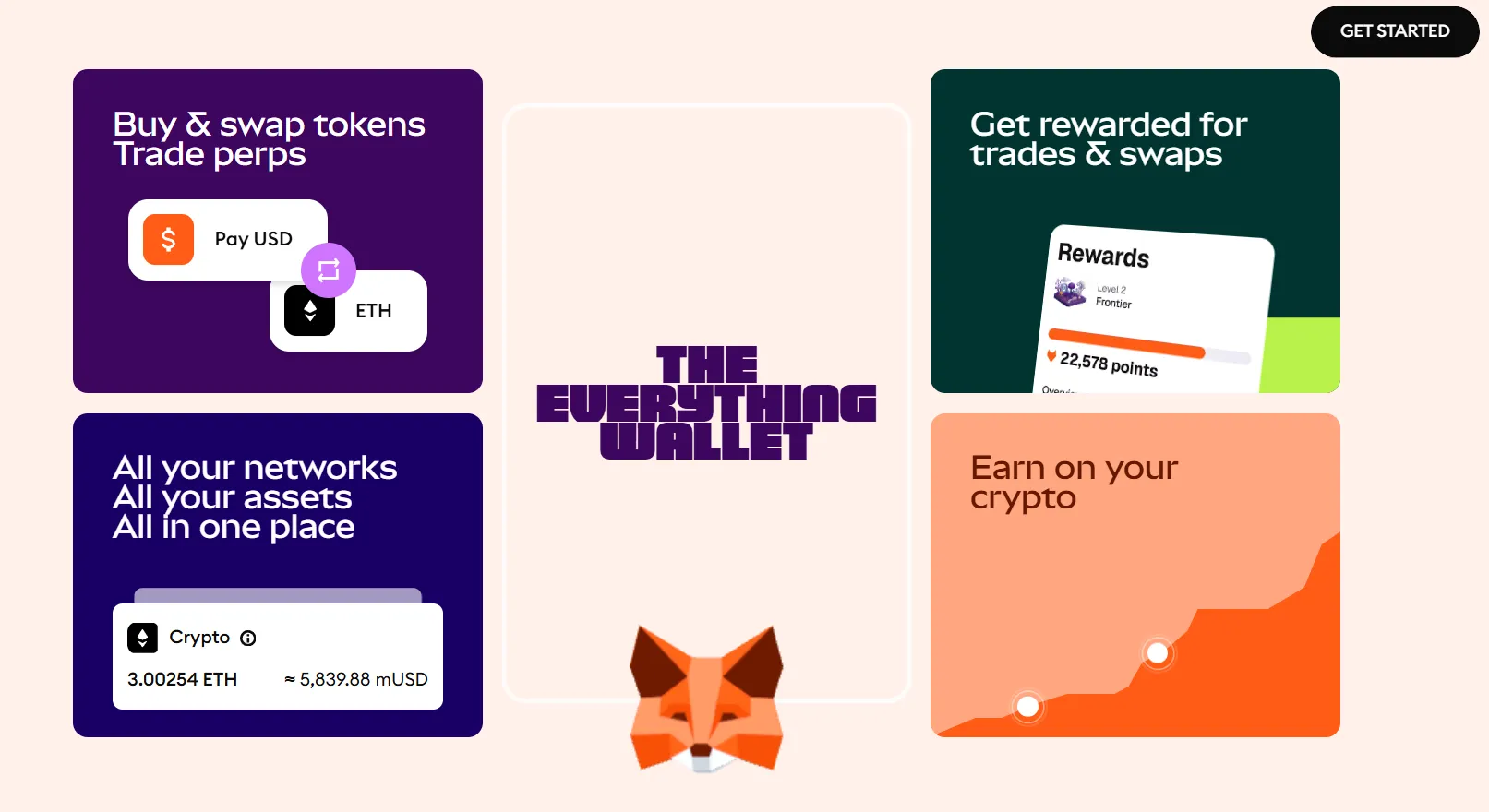
MetaMask is one of the best multi-chain wallets with complete interoperability in both DeFi and NFT spaces. Originally developed as a browser extension, MetaMask has evolved into mobile apps and smart accounts to be a primary layer for accessing Web3. It continues to develop tools for developers and partners with other organisations, so it becomes an infrastructure provider rather than simply a wallet.
Key Features
- Supports all EVM blockchains and tons of custom RPCs
- Built-in swaps and cross-chain bridge partners
- Connects to all of the major NFT Marketplaces
- Has plugins and SDKs for developers
Strengths – Users have access to a wide variety of dApps, DEXs, and collectibles everywhere because of the vast ecosystem compatibility. The built-in support for hardware wallets protects higher-value assets.
Limitations – A seed phrase is required unless the user pairs it with an MPC or hardware wallet for security with their wallet.
Best For – Individuals wanting to access as many chains as possible and have many dApps, especially for DeFi and NFTs.
2. OKX Web3 Wallet: The DeFi Super App
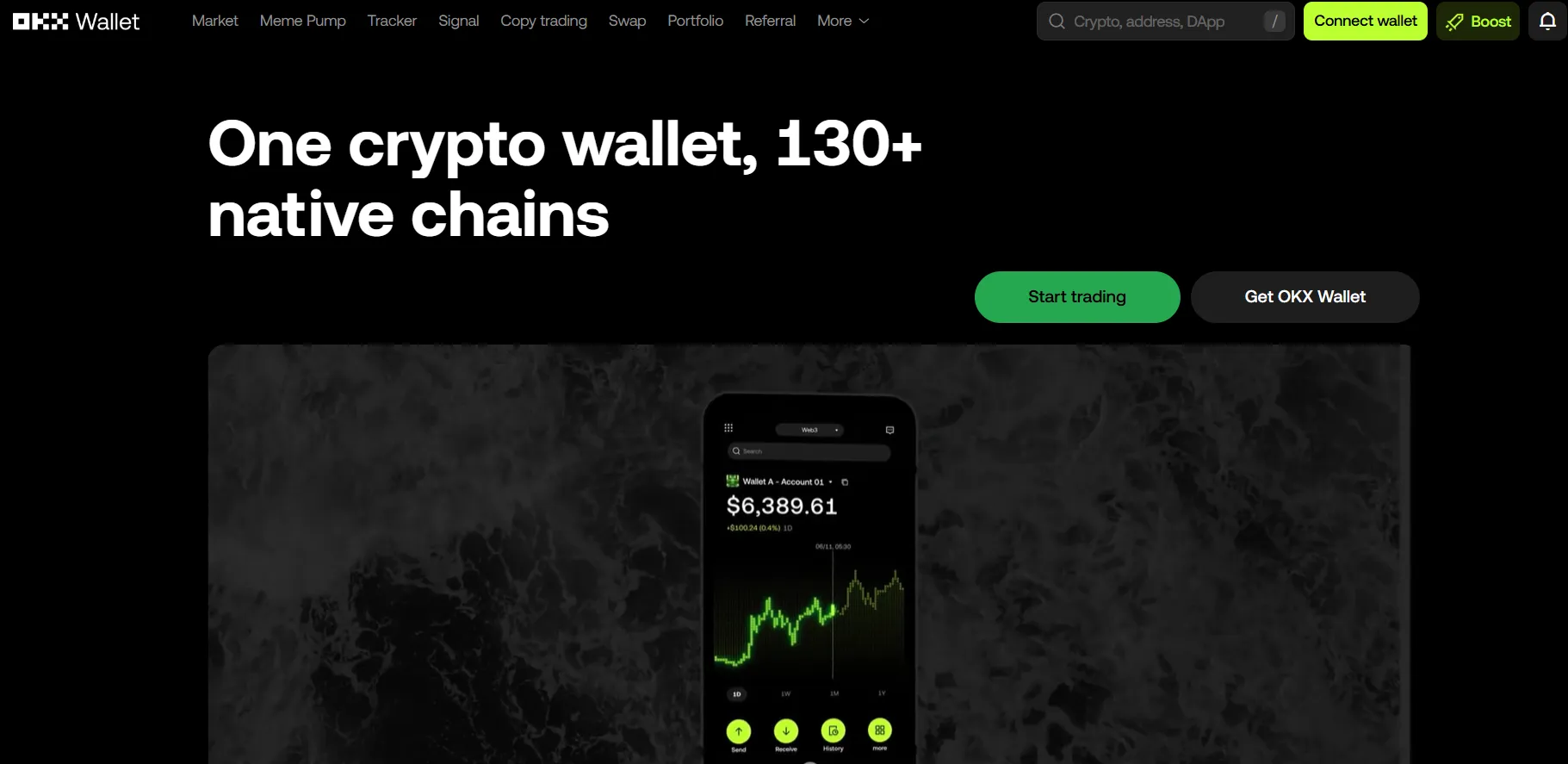
The OKX Web3 Wallet has established itself as a top multi-chain wallet for traders and yield seekers. The wallet combines decentralised access to assets with exchange-like infrastructure that gives both the ability to utilise on-chain networks (Ethereum, BNB Chain, and other EVMs) and leveraged centralised liquidity from the exchange.
Its design eliminates the friction that halts multi-chain DeFi strategy implementations by enabling seamless and easy asset transfers across multiple blockchains using the same wallet. Users can also use a single dashboard interface to help them manage swaps, staking, and both short- and long-term portfolio performance. Therefore, the OKX Wallet is well-positioned to appeal to traders who want to shift capital frequently across different ecosystems.
Key Features:
- Integrated DEX and staking products
- Fiat on-ramp and OTC options
- Advanced portfolio dashboard
Strengths – Liquidity flows, hybrid custody, and multi-hop cross-chain trades.
Limitations – Some advanced features may require onboarding into the platform.
Best For – Those who are DeFi traders and look for frequent liquidity.
3. Trust Wallet: Mobile-First Mass Adoption
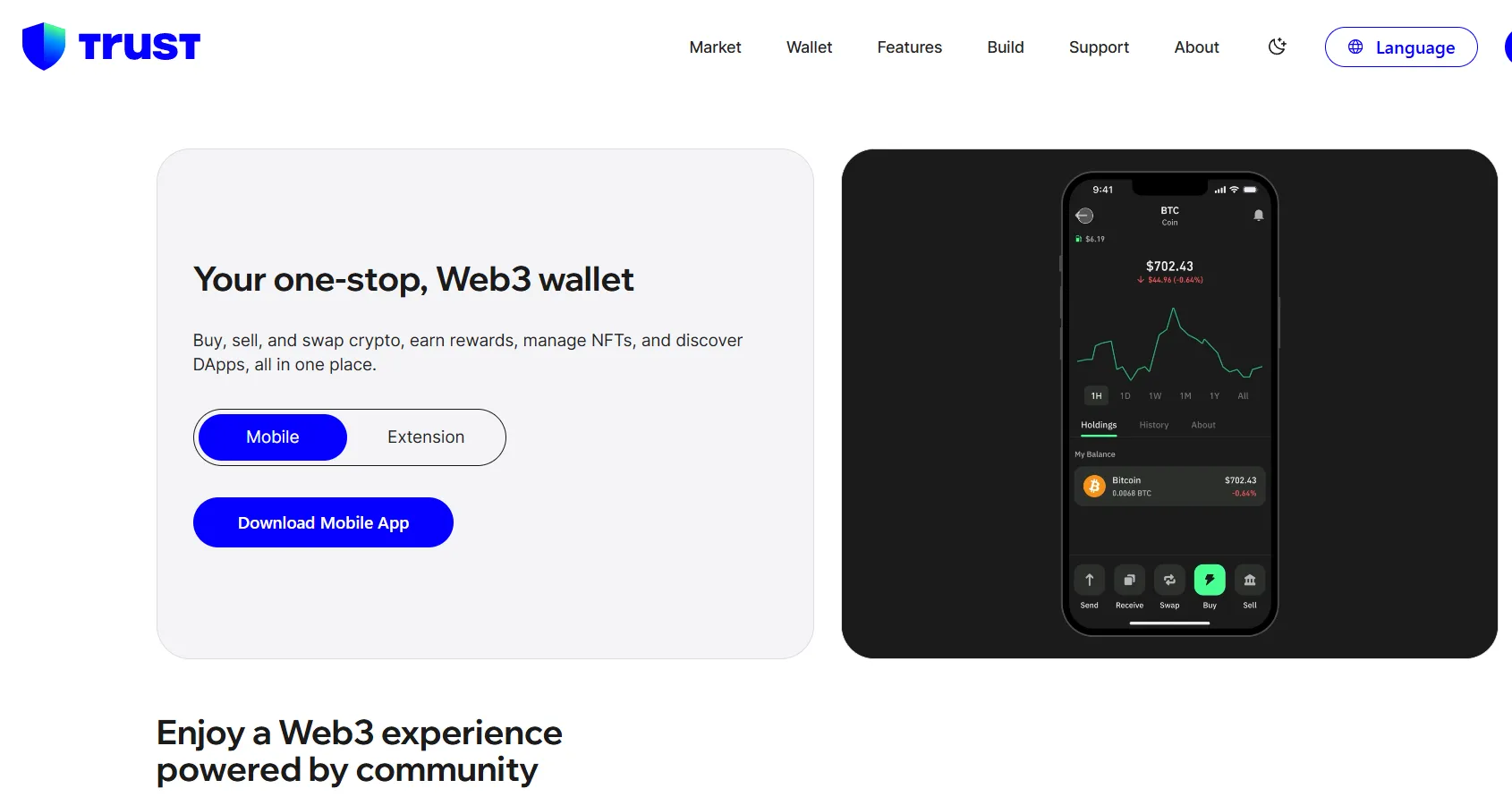
Since Trust Wallet’s primary focus is the accessibility of a broad range of crypto assets, it is mostly known as an excellent option for newcomers who may not have the same level of confidence as others in the multi-chain marketplace. Trust Wallet has a long-standing presence and an extremely reputable global brand, which has permitted it to maintain its position as one of the most utilized mobile wallets since its inception. Trust Wallet is a multi-chain crypto wallet with a focus on being simple to use and accessible across multiple chains and tokens.
Key Features:
- Over 100 supported chains and tokens
- Staking and in-app DApps
- NFT support and galleries
- Option to enable biometric security
Strengths – Clean and user-friendly design for everyday use on mobile devices, and built-in yield and staking functionality
Limitations – Currently limited to using Trust Wallet through a mobile browser only, and security is reliant on the device’s security settings
Best For – Users who exclusively use their mobile devices and require a trusted and reliable multi-chain wallet.
4. Phantom: NFT & Ordinals Specialist
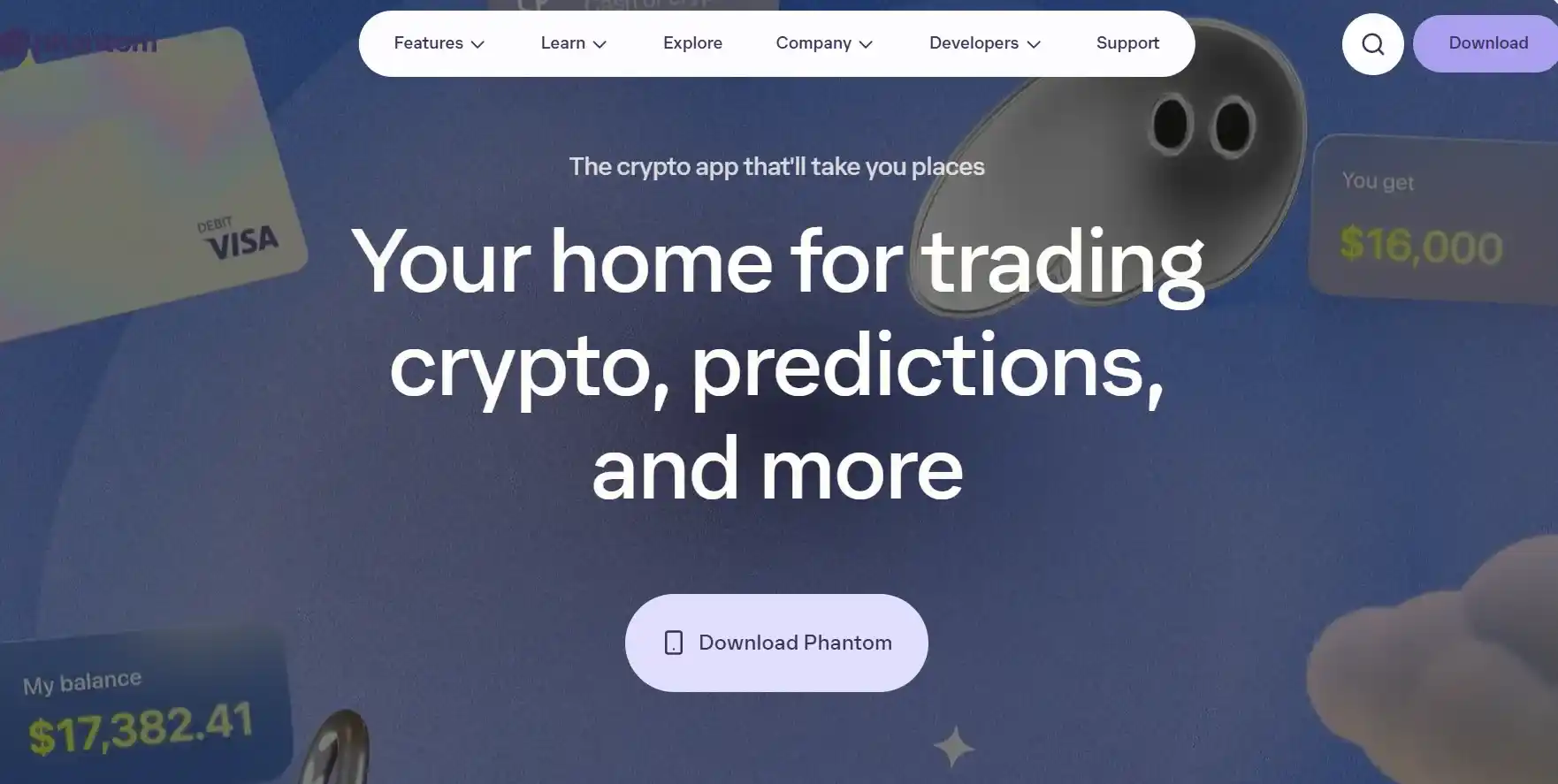
Phantom has also consistently grown outside of its original ecosystem, becoming a streamlined, user-centred wallet that has been developing strong goals for cross-chain functions. The focus on intuitive design and asset visualisation will provide clear and organised ways for NFT-heavy portfolios to connect across different networks. It has transformed into a multi-chain wallet designed for DeFi and NFT collectors, with an emphasis on NFTs and Ordinals.
Key Features
- Exceptional NFT gallery experience
- Native compatibility with Solana, Ethereum, and selected layer twos
- Programmable token displays as well as rarity metadata
- Built-in marketplace integrations inside the wallet
Strengths – Excellent presentation and discovery of NFTs, security emphasis on phishing protection.
Limitations – Not as DeFi native as competitors and has more limited chain support than most.
Best For – NFT and Ordinals collectors wanting a multi-chain wallet for showcasing their collections in a single place.
5. Bitget Wallet: Liquidity & Pro Trading Focus
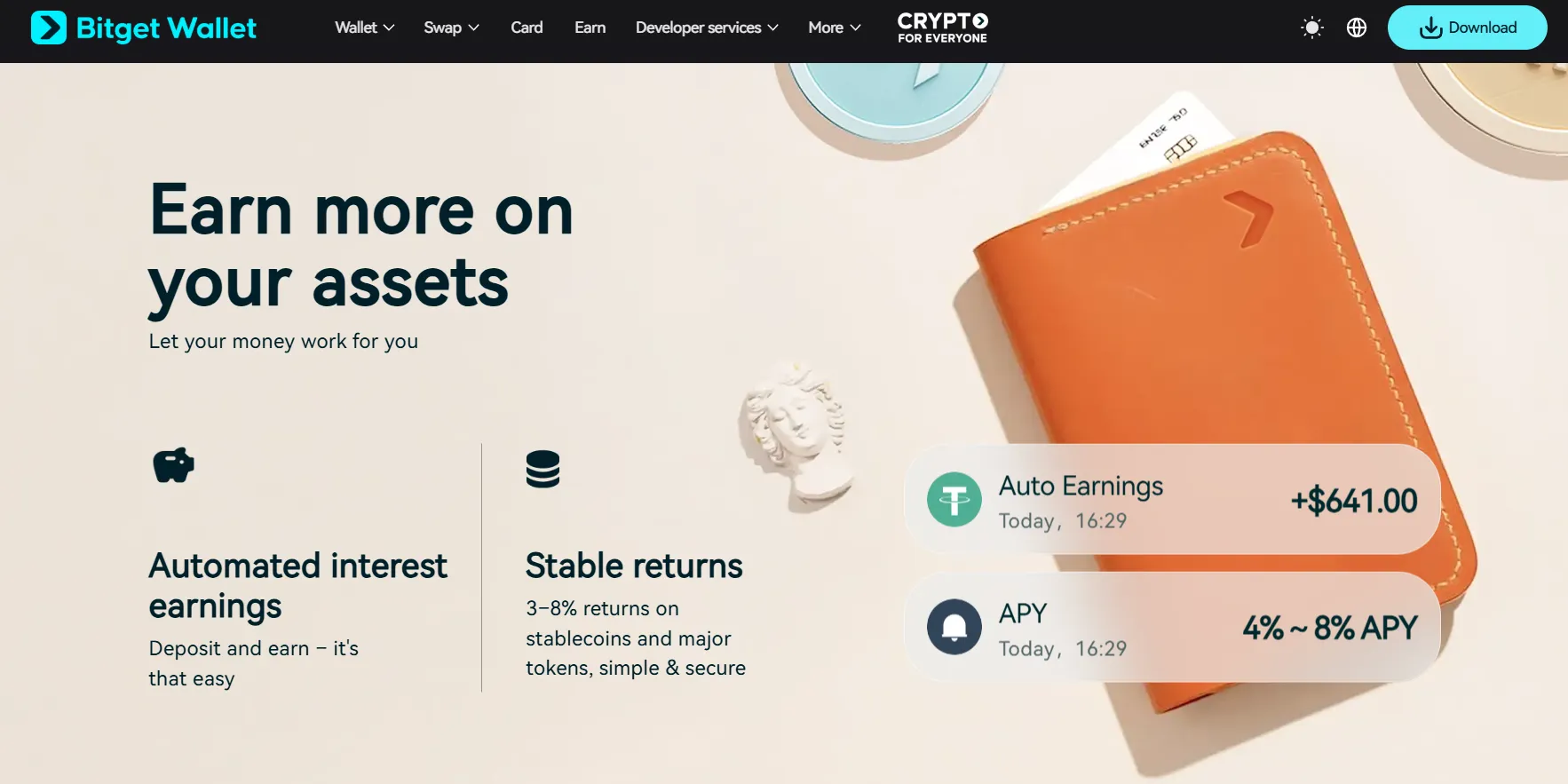
The Bitget Wallet aims to connect centralised exchange liquidity with on-chain DeFi activity. This is of particular interest to users who manage their finances between multiple venues. The wallet was created with a focus on efficiency, speed, and the ability for fast-moving traders to efficiently route their orders throughout the various markets. The Bitget Wallet can bridge high-performance trading with multi-chain wallet functionality.
Key Features:
- Products integrated with Bitget exchange
- Advanced swapping technology and cross-chain bridges
- Portfolio management and analytics
- Access to NFT marketplaces
Strengths – High volume, cross-chain bridges, and excellent visibility into your portfolio.
Limitations – New users may find the wallet’s interface overwhelming, and the custodial elements can diminish their control over their funds.
Best For – Professional traders who require execution, analytics, and cross-chain liquidity.
Evaluation Criteria for DeFi and NFT Users
Choosing the best multi-chain wallet for DeFi and NFT collectors goes beyond merely being a place to store things.
A good quality multi-chain wallet should list as many networks as possible, but also have a good, reliable RPC, ensure that token indices can be accessed accurately for the entire period they are held in that multi-chain wallet, and easily switch between Layer-1s and Layer-2s. For NFT collectors, it is extremely important to check for high-quality metadata, rarity of purchased NFTs, and that the multi-chain wallet supports some type of marketplace connectivity.
Evaluate the security architecture as well. If you want to know, “What is the most trusted multi-chain wallet?” The answer is usually based on layers of security, not on brand popularity.
Also, consider cross-chain efficiency. The usage of built-in bridge aggregation technology, gas abstraction for fees levied on cross-chain activity, and swap routing can also make a big difference in DeFi capital efficiency for your strategies.
In addition, there are some best practices for multi-chain wallet integration, which are as follows:
- It is important to keep trading accounts and cold-storage accounts separate.
- Regularly revoke approved tokens.
- Always double-check your contract approvals.
- Enable biometric and hardware-based authentication when at all possible.
Security Lessons from 2025–2026 Exploits
- New supply chain vulnerabilities and malicious extension injections were revealed in recent events.
- A shift to MPC-mesh architectures, transaction preview simulation, and enforced update intervals moved the industry away from its reliance upon pure browsers.
- More hardware wallets are being used by high-net-worth individuals as they seek strong isolation layers.
As a result of these trends, the question of which multi-chain wallet is the “most trusted” has changed. Security architecture is now more important than the aesthetic appeal of the user interface. Serious participants of DeFi and NFTs expect diversified custody of assets, contract review, approval monitoring, and multiple layers of authentication.
Emerging Trends Shaping 2027 and Beyond
- AI as a proactive wallet agent—Digital wallets will utilize embedded AI agents to simulate risks beforehand and optimally route transactions.
- Passkeys and biometric authentication—Traditional seed management may get replaced by passkeys and biometric authentication for the majority of users.
- Lifestyle app convergence—There may be a convergence of multiple lifestyle applications into a single dashboard, merging payment methods, identity, and NFTs into one.
- RWA expansion—The tokenization of real-world assets (RWAs) will provide new functionality for digital wallets beyond just cryptocurrencies (CNAs).
- Invisible bridging and intent-based execution—There will be an introduction of ‘invisible’ bridging and intent-based execution capabilities to facilitate automation of cross-chain transactions, which will transform the digital multi-chain wallet from a passive storage mechanism into a smart operating layer.
Choosing the Right Wallet
When selecting from the best application or multi-chain wallet of 2026, user intent will ultimately determine the best choice of wallet. NFT collectors look for NFT visualization and accurate metadata, while DeFi traders are more interested in the liquidity route and execution speed. Security architecture, such as MPC, hardware compatibility, and smart account support, is important, too. Following the best practices for multi-chain wallet integration contributes to long-term wallet resiliency. Ultimately, selecting the most trusted multi-chain wallet comes down to aligning your technology protections with your usage profile across an ever-growing interconnected blockchain ecosystem.
