Key Takeaways
- Telcoin Association confirmed that Telcoin Network has reached code freeze ahead of its planned December mainnet launch.
- The network’s genesis is scheduled for December 2, with public access expected in mid-December.
- GSMA-affiliated mobile network operators will validate transactions by staking TEL tokens.
- Telcoin’s roadmap continues to list security, testing, and launch-preparation milestones as ongoing.
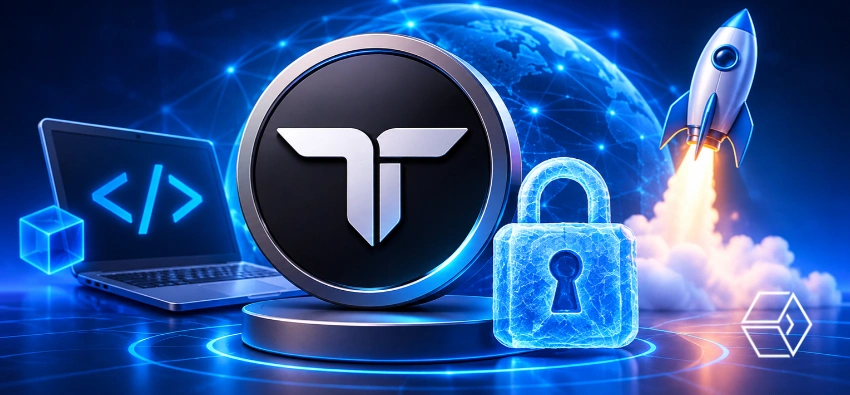
Telcoin Network has reached code freeze ahead of its planned December 2026 mainnet launch, according to an announcement from the Telcoin Association on November 17. The update comes as the project approaches its scheduled December 2 genesis, followed by public access expected in the middle of the month. The EVM-compatible Layer 1 blockchain is being developed around a validator model that gives eligible mobile network operators affiliated with the GSM Association (GSMA) responsibility for securing transactions. These operators will stake TEL tokens to participate in network validation and receive fees for their role. Telcoin Labs Director of Blockchain Grant Kee described the milestone as the result of years of development, security work, and cooperation with telecommunications companies and their vendors. The announcement puts the project closer to its planned launch, although its remaining preparations and initial network operations are still to come.
Telcoin Network Confirms Code Freeze Ahead Of December 2 Genesis
The update marks the completion of a scheduled development milestone before the network’s mainnet genesis. November 16 was the target for code freeze, December 2 was set for genesis, and public access was planned for mid-December.
Telcoin Network has reached code freeze for mainnet launch. https://t.co/LKLTD2fypr
— Telcoin Association (@TelcoinTAO) November 17, 2026
A code freeze generally means developers have stopped introducing planned features or routine changes to the release version. The focus can then move toward final checks, testing, and addressing issues that could affect deployment. It does not necessarily mean that every security review or launch requirement has been completed. Telcoin’s mainnet roadmap provides additional context on the work surrounding the launch. Its November 3 update listed 31 of 37 Phase 3 milestones as complete, with six still in progress. These included validator integration for the mainnet bridge, coordination with launch partners, a WAN isolation framework, AI security scans, benchmarking, and automated stress tests.
The roadmap also lists a separate Road to Mainnet section covering security assessments for cryptography, peer-to-peer networking, smart contracts, the execution layer, and state synchronization. It identifies the completion of these preparations as part of the process before mainnet deployment. The distinction between code freeze and mainnet readiness is important. The Association’s latest announcement confirms that the code freeze milestone has been reached, while the published roadmap provides a record of outstanding work. The network has not yet been confirmed as operational on mainnet.
GSMA Mobile Operators Will Secure Telcoin Network Through TEL Staking
Telcoin Network’s validator structure is another important part of its planned mainnet deployment. Unlike networks where participation as a validator is generally open to anyone meeting technical and financial requirements, Telcoin’s model is designed around eligible mobile network operators that are members of the GSM Association. According to the project’s validator documentation, participating operators must stake TEL tokens and operate validator nodes. These nodes participate in proof-of-stake consensus by creating and verifying blocks. In return, operators can earn TEL gas fees and token issuance when they secure blocks.
The project’s validator authorization documentation also explains that eligible operators must receive approval through the Compliance Council before participating. This makes authorization and TEL staking part of the network’s validator onboarding process. The blockchain is also EVM-compatible, allowing developers to use Ethereum-compatible smart contract tools when building applications on it. Telcoin describes the network as infrastructure for blockchain-based services connected to mobile financial services and telecommunications operators.
Grant Kee, Telcoin Labs’ Director of Blockchain, addressed the development work behind the code freeze in the statement shared by the Association: “Today’s milestone is the result of years of building, security hardening, and ongoing collaboration with telcos and their vendors to create the global blockchain standard for mobile networks. Everyone at Telcoin Labs is focused on mainnet launch next month.”