
Thanks to the growing popularity of NFTs and cryptocurrencies, there are various wallets that let you purchase, sell, or store both NFTs and cryptocurrencies in the same location. While they provide this great facility, users need to ensure that they can protect their NFTs from phishing scams, vulnerabilities in smart contracts, and cyber attacks, with additional layers of security.
In this guide, we have established a series of criteria and principles to evaluate the most secure NFT Wallets available in the market today. Our selection is based on five primary pillars – hardware isolation to prevent user key exposure, smart contract security to protect against credit fraud, recovery robustness, minimise attack surface, and ecosystem compatibility.
List of 5 Most Secure Crypto Wallets
1. Ledger Nano Series – Visit
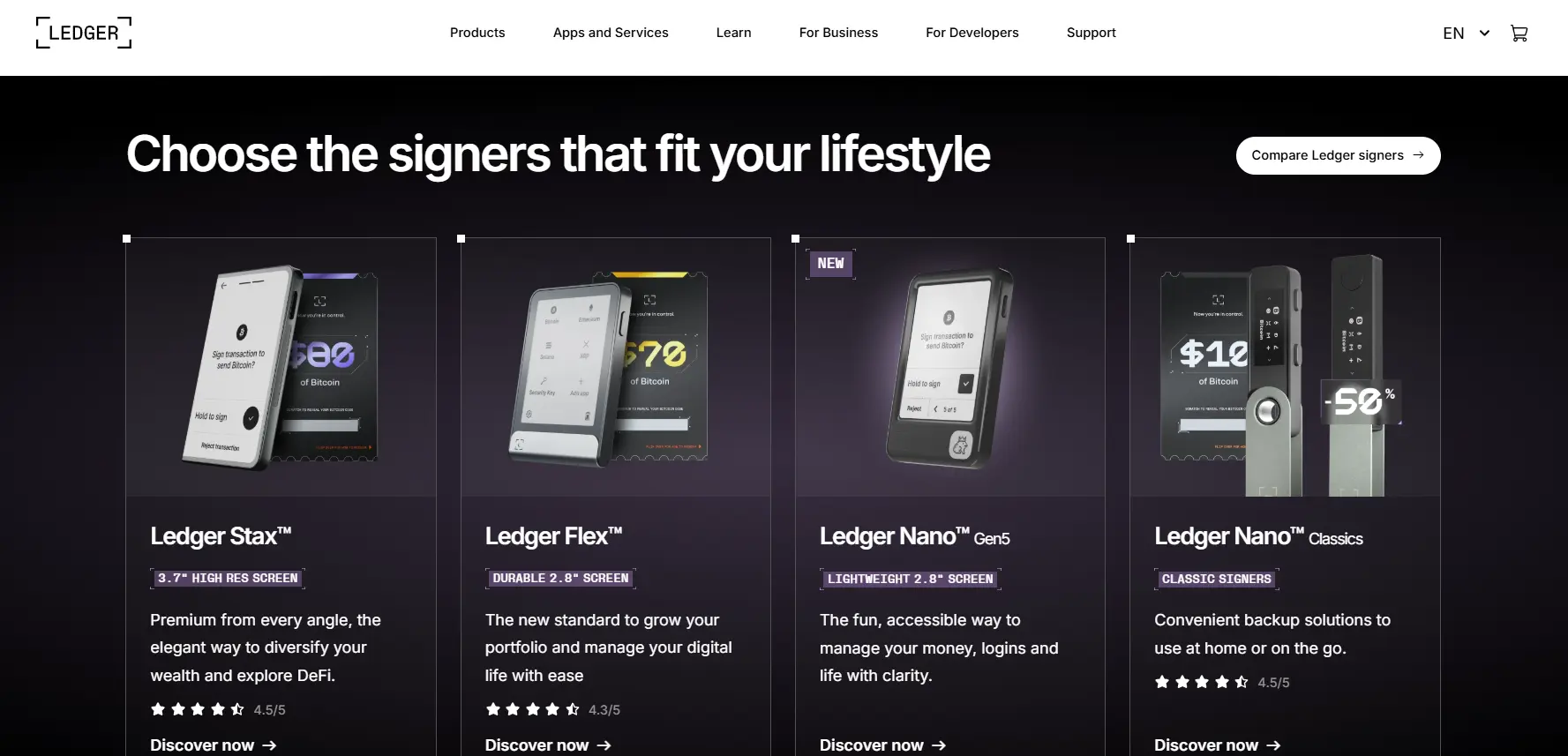
- Why it stands out: The Ledger Nano series (Nano X and Nano S Plus) is one of the safest of the Ledger wallets available. Considering both Ledger cold wallets and Ledger hardware wallets, these two models remain the best options due to their certified secure element (SE) chip that ensures offline storage of private keys, very difficult to compromise due to robust verification of firmware installed on the units. XRP Ledger wallets can hold over 5000 types of cryptocurrencies and provide integrations to major NFT platforms. Nano X also has Bluetooth capabilities for mobile use.
- Uniqueness: Ledger wallets’ CC EAL5+ certified security chip, wide ecosystem integration, and mature developer tooling
- Ideal for: Multi-chain investors, NFT collectors, and DeFi users.
2. Trezor Model T – Visit
- Why it stands out: The Trezor Wallet Model T is a hardware wallet that’s open source, and lets users view the firmware on it. It comes with advanced recovery options and includes a colour touchscreen, advanced methods for passphrase management, Shamir backup (SLIP39) for greater security, and easy access to Web3 platforms. Trezor Safe 3 is also an excellent option for a Trezor hardware wallet, but Model T can significantly reduce the risk of both malware and remote attack by storing private keys in offline mode.
- Uniqueness: Its fully open source design and highly customisable security configurations give more control to users than other Trezor cold wallets or hardware wallets.
- Ideal for: Security-focused users, open source advocates, developers, and investors.
3. Keystone Pro – Visit
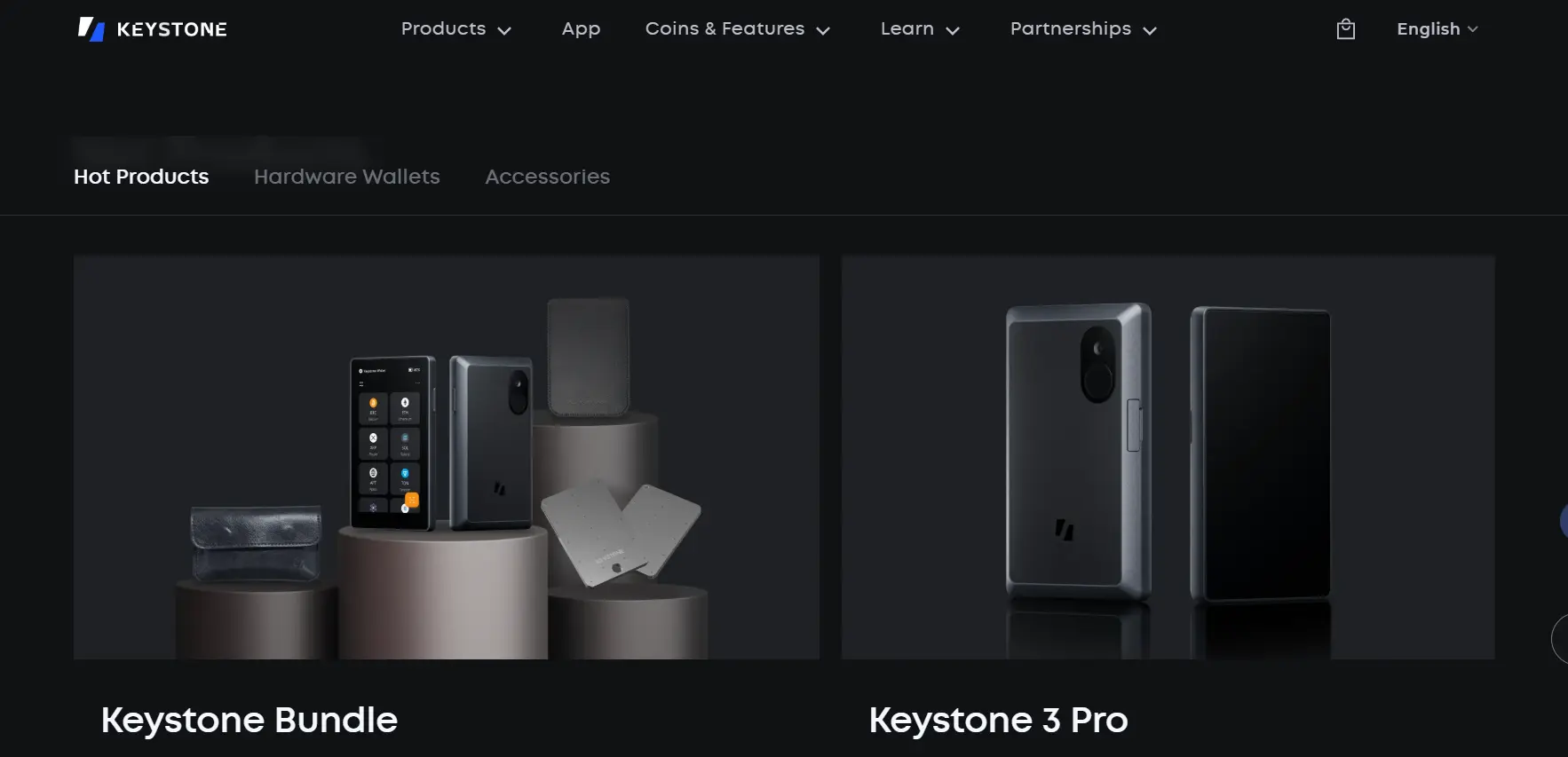
- Why it stands out: Keystone 3 Pro, a hard crypto wallet that does not connect to the internet, USB, or Bluetooth and uses an air-gapped security model. All communication with the Keystone wallet takes place via QR codes, keeping private keys offline. An additional layer of security comes from the Keystone hardware wallet’s self-destruct temper, protection feature, and its support for advanced multi-signature and Shamir backup technologies. Furthermore, compared to a Keystone cold wallet, Keystone Pro’s open-source firmware allows public auditing of its core security code, and the wallet can work with other wallets like Metamask to facilitate DeFi interactions.
- Uniqueness: Air-gapped QR signing, biometric unlock, extensive coin support
- Ideal for: Long-term holders, security-first users, DeFi and NFT enthusiasts requiring versatile cold storage.
4. Safe (formerly Gnosis Safe) – Visit
- Why it stands out: Safe Wallet is a smart contract multi-sig wallet, trusted by many investors to store crypto assets through smart contracts, allowing decentralized self-custody of assets. Formally known as the Gnosis Safe crypto wallet, user teams, and DAO members on this platform can create hybrid wallets using an M-of-N approval system to complete transactions, removing the possibility of losing control of crypto assets through a single key method. In addition, Safe Wallet also stores over $1 trillion worth of on-chain volume, offering a set of features like transaction simulations, expense controls, and an ecosystem to connect all DeFi projects together.
- Uniqueness: Modular smart contract architecture, formal verification and audits, robust treasury and risk management features like Shape Shield.
- Ideal for: DAOs, power users, teams, and users who want multi-sig protection and governance over high-value assets.
5. Ready, formally known as Argent (Smart Contract Wallet) – Visit
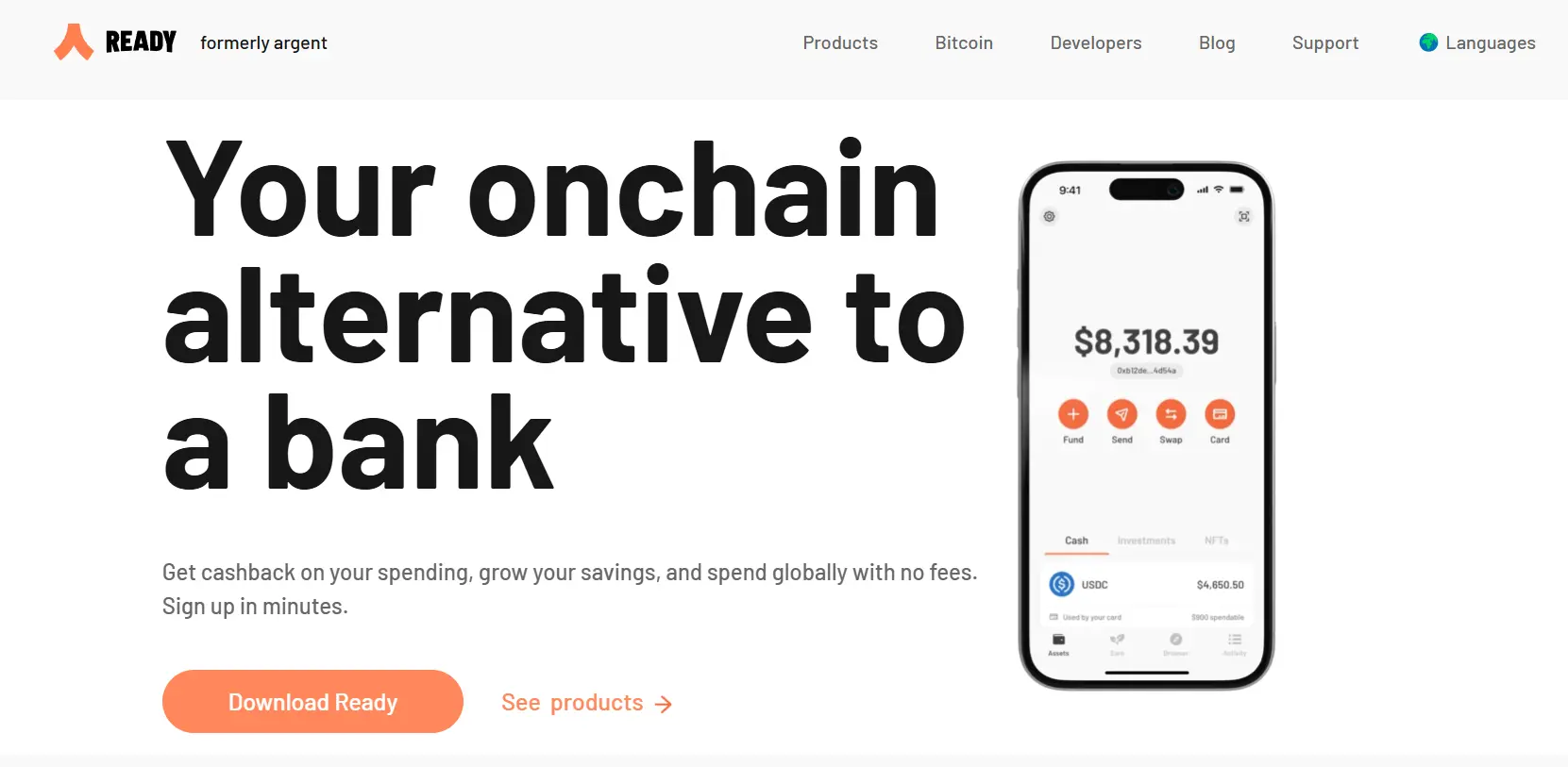
- Why it stands out: Ready Bitcoin wallet is a smart contract, self-custody wallet that gives full control to the users via mobile devices. Built using account abstraction techniques, Argent Wallet provides complete access to private keys and digital assets while keeping users’ private information secure with features like two-factor authentication, fraud detection, and a choice of flexible fee tokens. In addition, Argent Crypto wallet users can easily bundle their transactions for greater savings, earn yields on their assets by holding onto them longer, and manage NFTs within one application.
- Uniqueness: Smart Contract Wallet with programmable account rules, group transactions, and session keys for gaming.
- Ideal for: Mobile users, DeFi beginners to advanced users, who want a secure, feature-rich wallet experience without any custodial risk.
Additional Alternate Option
6. GridPlus Lattice1
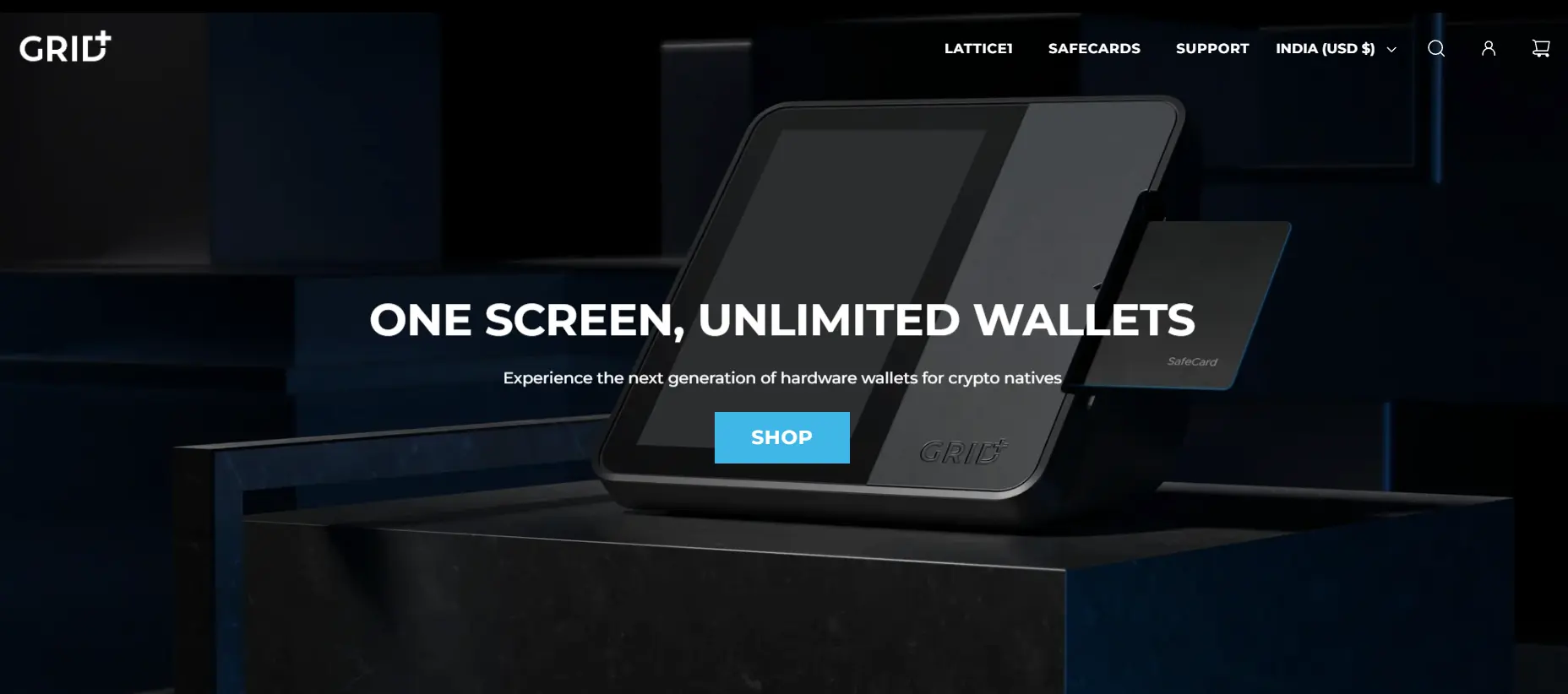
GridPlus Lattice1 has been designed as a high-security device for users to manage large quantities of digital assets, including cryptographic tokens and NFTs. It has a very large touchscreen interface, along with a highly secure hardware enclave. In addition, it has a Secure Compute Module that can be exchanged without losing access to private keys. QR signing and enterprise-grade security make this device ideal for high-end NFTs and DeFi marketplace workflows. The Lattice 1 also integrates with Metamask and supports Custom Smart Contract transactions.
7. Zengo Wallet
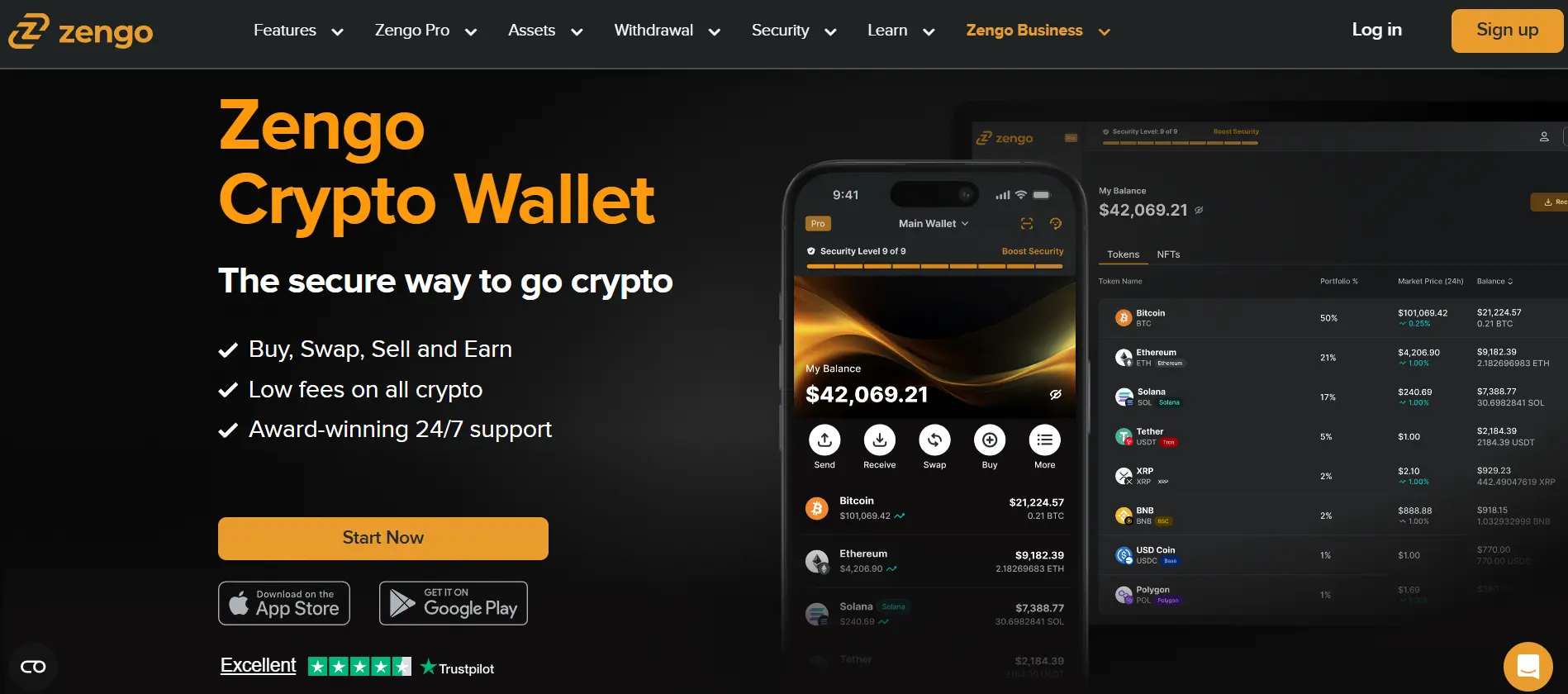
Zengo Wallet is a non-custodial wallet using the latest self-custodial features. It has been specifically designed to eliminate the phrase requirement from self-custody, which tremendously reduces the chances of losing a key. Zengo supports Ethereum and Polygon NFTs and contains a built-in NFT gallery. It offers three-factor authentication for additional security and is an ideal option for someone who requires high-level protection without the need to manage a hardware wallet.
8. Base App formerly Coinbase Wallet
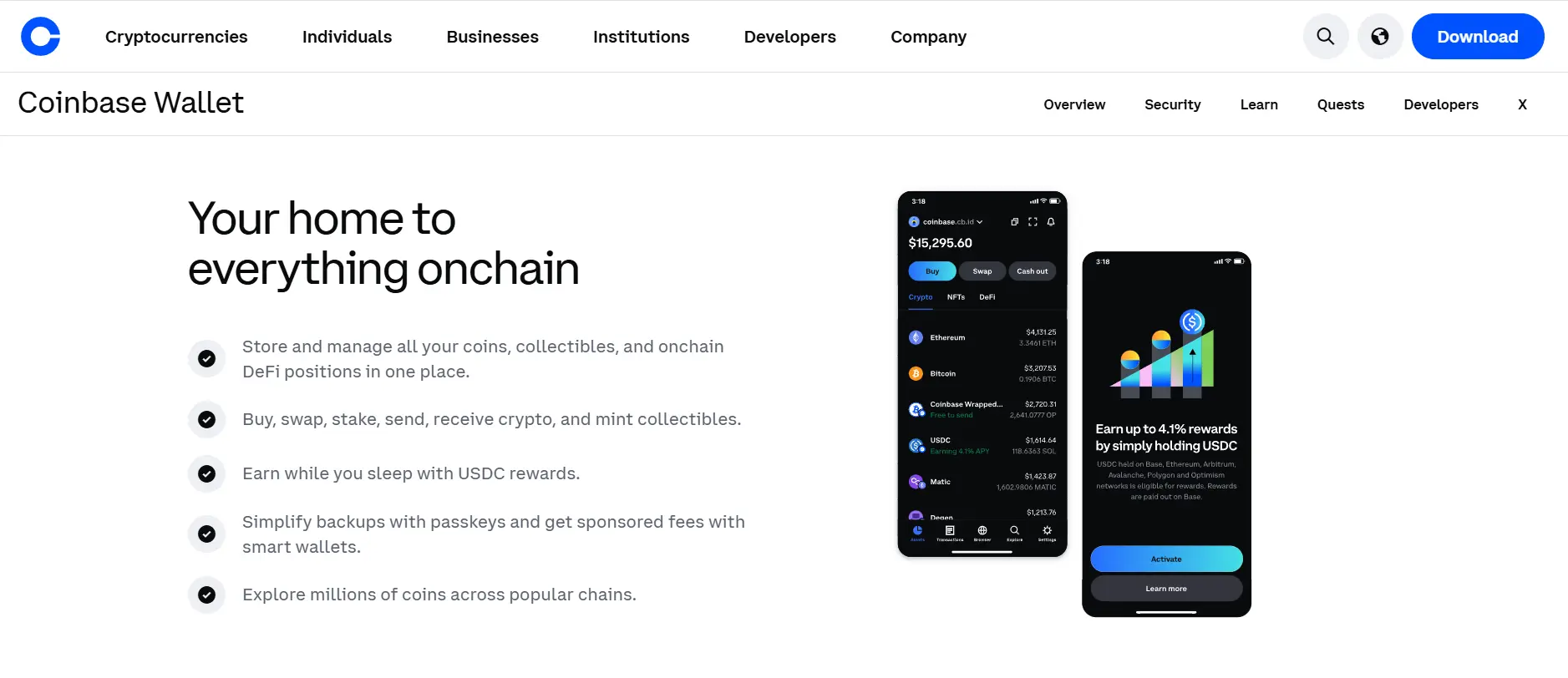
Base App provides a simple and user-friendly option for managing self-custody of digital assets, including NFTs and multi-chain tokens. It also provides easy access to dApps. Because of Coinbase’s large and reputable ecosystem, the experience for setting up the wallet is straightforward for all new and experienced collectors who want to manage the tokens and NFTs across various blockchains.
Evaluation Methodology
While evaluating safe crypto wallets used to store NFTs, the first consideration is to look at key security principles. A core requirement is to protect private keys stored offline. Hardware wallets protect private keys by using an isolated chip that protects from malicious software, phishing scams, and other internet threats.
History shows that cold storage wallets or hardware wallets tend to be far less prone to being compromised publicly (around 4.58% of the cases) than those that use only hot wallet storage solutions (around 16.62% of cases) over the past several years. In addition, the wallet’s firmware security can also be a major cause of threat. For example, open-source firmware or third-party audits can mitigate the risk of hidden vulnerabilities created via supply chain tampering.
Furthermore, multisig capabilities and social recovery functionalities can significantly reduce an individual user’s risk of a single point of failure due to the loss of a seed phrase. Our secondary criteria that affect the usability of NFT crypto wallets include user experience, compatibility with NFT marketplace, support for multiple blockchains, long-term maintenance and reliability, and a clear governance policy. Together, these categories give a well-rounded wallet security and usability for storing NFTs over the long term.
Conclusion
The decision to use a cryptocurrency wallet, such as Ledger, Trezor, Keystone Pro, Safe, or Ready, ultimately comes down to balancing security vs convenience. Ledger and Trezor have established themselves as industry leaders due to their proven track record of providing a robust hardware solution for cold storage. Users who want the ultimate level of isolation will prefer the add-on of air-gapped security found in Keystone Pro.
The Safe wallet has extensive control options and is specifically designed for teams and high-value treasury management. On the other hand, Ready provides all the benefits of smart contracts and easy-to-use mobile access while allowing complete user control. Together, these wallets provide users with multiple options in terms of managing both crypto and NFTs.
