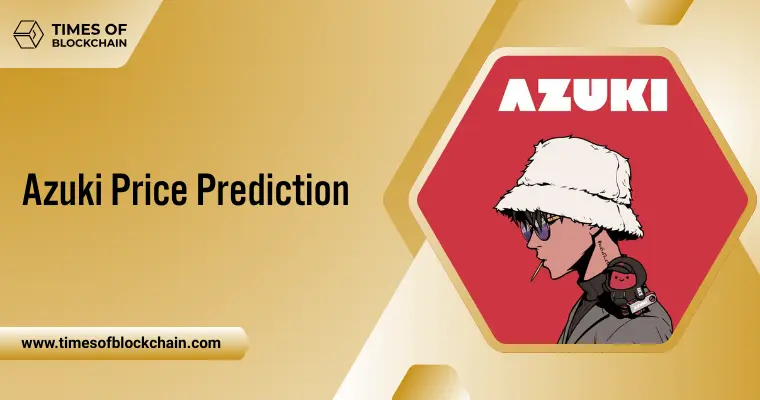
Azuki started in 2022 and quickly became one of the leading projects by incorporating elements of high-quality Anime-style artwork together with world-building, lore, and its own distinct brand style.
Azuki’s roots represent a broader representation of the anime culture in the media worldwide. This connection, of course, translates into Web3. The things that NFT collectors have found value in are identity, creativity, and community, all create an emotionally charged connection that enables collectors to develop a sense of community and belonging and have greater appreciation for the digital art. As such, Azuki is positioned as a very important player in the NFT space, and is typically viewed in the same category as some of the top NFT projects (blue chip collections) because of the cultural impact and brand influence.
Azuki at a Glance: Project Overview & Ecosystem
Azuki originated as an anime-themed NFT Avatar collection developed by Chiru Labs, a group with experience in the world of art, gaming and Blockchain technology. Their initial release was a series of 10,000 individual pieces that had been designed using the same anime-meets-streetwear artistic style. One of Azuki’s main selling points is that each piece contains multiple layers of variability in rarity, giving each item its own unique personality. Because of its ability to effectively visually brand itself, Azuki attracted a large number of interested users in a very short amount of time. Its original drop, known as “sub collections”, started to emerge from the Azuki’s ecosystem, which includes –
BEANZ – Quirky digital companion NFTs were distributed free of charge to existing Azuki holders in 2022.
Azuki Elementals – A follow-up collection having 20,000 pieces similar to the first Azuki collection, based on four classical elements – water, fire, earth, and lightning.
In 2025, the community continues to play a huge role in defining Azuki. The holders have become a part of “The Garden”, a community filled with early adopters, creators, and fans of Web 3.0. They also have the opportunity to receive exclusive drops, collaborate on streetwear designs, attend virtual events, and contribute to the growth of Azuki’s lore.
Historical Price Performance of Azuki NFTs
Azuki quickly sold out after its launch on January 12, 2022, when it was made available in a Dutch auction with a mint price of 1ETH (approximately $3,400). Following this, the enthusiasm of collectors fuelled a rise in the price of rare Azuki in the secondary marketplace, with Azuki #9605 reportedly sold for 420.7ETH and other rare Azuki being sold for hundreds of ETH.
At its highest point in early mid-2022, the floor and average price were both soaring, and average sales were being reported in the double-digit ETH range, with very high demand throughout the entire collection. However, the NFT market is experiencing significant headwinds due to overall industry conditions as well as several controversies, including the release of Azuki Elemental. The prices decreased sharply after reaching the peak in mid-2022.
The floor prices within the 3 to 5 ETH range are considered to be low. However, Azuki continues to be one of the active NFT collections in terms of volume, achieving a daily trade volume of more than $2.5 million in late 2024.
Despite achieving heavy momentum in the beginning, Azuki may not be considered as an established collection with better alternatives like CryptoPunks, Bored Ape Yacht Club (BAYC), and CloneX. They share similar characteristics in terms of rarity, community, and hype. However, due to volatility, periods of backlash, and large drawdowns, Azuki’s success is viewed as overly speculative.
Market Drivers That Influence Azuki Price
Cultural & Aesthetic Demand
Azuki’s strong NFT cultural value is worth mentioning, heavily affected by the global growth of anime NFTs. Its expanding cultural prominence owes to the substantial rise in global entertainment, fashion industries, gaming, and most recently, luxury brands. The growth of anime has shifted its aesthetic from a niche subculture to a mainstream global phenomenon, leading to an increase in demand for anime-themed digital artwork.
A number of video games now feature anime-style graphics, resulting in greater use of characters, skins, crossovers, and more. Even in fashion, high-end brands and streetwear brands are using anime motifs in their designs.
Brand Partnerships & IRL Utility
The price and NFT market trends of Azuki are significantly affected by how a brand grows outside the Web3 ecosystem. Examples of high-profile partnerships include co-branding with established fashion designers to create high-end fashion collections and the production of a number of different items of limited quantity merchandise, for example, limited edition, capsule collections, etc. Azuki’s partnership with a well-established designer that resonates with youth culture reinforces the brand’s identity as a lifestyle brand and not just an NFT collection.
The presence of real-world utility also contributes to the brand’s price. IRL utility creates real value through events such as conventions, exclusive meet-ups, art showcases, and token-gated experiences. With more utility, the story behind the price floor becomes more compelling and the connection that holders have with the brand.
Community Engagement & Storytelling
Collaborations across industries also allow the development of entirely new segments for the buyers. For example, partnerships with gaming studios allow Azuki avatars or traits to be included in gaming environments. Collaborations with art or anime studios create storytelling opportunities through the creation of character, identity, as well as a narrative thread throughout the collection. Crossovers like these create excitement and bring communities together, and contribute to a greater cultural presence in the market, which all create healthy demand in the marketplace.
Market Sentiment & NFT Cycles
Storytelling continues to be the backbone of community engagement as Azuki’s lore evolves over time through seasonal drops and the introduction of character arcs into the Azuki universe, converting NFTs from static digital assets to “living story” narratives. The artwork’s evolution also plays an important role in promoting engagement between Azuki and its holders, whether through the introduction of new visual updates, traits, or art created for extended universe projects. This creates renewed interest in Azuki and reinforces its leadership in the field of aesthetics. Holder identity is strengthened through immersive experiences such as digital quests, interactive media, and community-created content, which create a stronger emotional connection to the brand.
Community-driven brands typically have a higher perceived value compared to traditional brands because individuals view themselves as active participants in the brand instead of merely being consumers. This perception leads to stronger holders’ conviction, a decreased tendency for holders to flip NFTs, and a more stable floor price.
Major Risks & Challenges
- Brand dilution concerns – The rapid expansion of Azuki into other collections, sub-collections, or side projects can lead to a significant loss of focus from the core identity of the brand. As the level of exclusivity and artistic vision is perceived to be diminishing along with the dilution of the brand, there may be a weakening of the confidence of token holders.
- Over-saturation of sub-collections – Having too many companion collections fragments the demand for the core Azuki collection and creates confusion about which collection has the highest value. Excessive supply of products can lead to too much selling pressure being placed on the original Azuki collection, resulting in depressed floor prices.
- Market volatility and regulatory risks – NFT prices are still subject to significant price movements, based on natural cycles of the market, liquidity levels, and general macro-economic conditions. Increased regulatory scrutiny could create an environment of uncertainty regarding the overall long-term strategy for digital assets, including IP licensing, sale of token gate experiences, enforcement of royalties, and more.
- Competition from other anime NFT projects – The anime-inspired NFT category is still in its early stages of growth. New collections are being introduced with much higher quality at work, lore-based content, and multimedia expansion plans. As the marketplace becomes more competitive, Azuki will have to continually innovate to cultural zeitgeist and keep its share of the market.
Azuki Price Prediction (2026–2030)
Scenario 1: Bullish Case
Azuki stands to gain significantly from the new wave of popularity that anime-themed NFTs have created throughout the world, and from the adoption of anime by mainstream culture as anime continues to become more popular on a global scale.
If the Azuki team executes well on large-scale brand expansions, it will allow the Azuki project to become a leading provider of Web3 lifestyle and entertainment. Working with multiple partners will increase IP value and recognition around the world, attracting new collectors who are not currently active in crypto.
Furthermore, if the ecosystem enforces limited supply expansions while focusing on enhancing the prestige of the original collection, scarcity may also create high demand. Increased utility, a thriving secondary market, and loyalty among the community will further enhance floor prices, according to our Azuki forecast 2026–2030.
With that said, in a bullish scenario the projected floor price trajectory is expected to be as follows:
- 2026: 4–8 ETH
- 2028: 12–20 ETH
- 2030: 25–50+ ETH (potentially reclaiming top-5 NFT collection status)
Scenario 2: Neutral Case
Under a neutral trajectory, Azuki continues to exist as a steady player in the NFT space, but there may not be major breakout moments. Floor prices will not change significantly and will see gradual growth as the wider NFT sector reaches maturity.
The ecosystem continues to build through incremental improvements, such as new lore, minor partnerships, and a continuing source of commitment from the community. These improvements will keep people interested, but will not create major shifts in how people view Azuki or add any novelty to the way people use or think of NFTs or digital collectibles. In this scenario, Azuki is a respected brand, but still does not dominate the anime-NFT space.
In a neutral case, Azuki’s projected floor price trajectory looks like:
- 2026: 1.8–3.5 ETH
- 2028: 3–7 ETH
- 2030: 6–12 E
Scenario 3: Bearish Case
For NFTs, a bearish side as a whole is when prolonged downtrends exist within the NFT space or when Azuki’s expansion efforts do not resonate with their holder base and subsequently lead to a decrease in demand and investor confidence due to over-extension or failures in branding for the sub-collections.
Also, new entrants into the NFT space, such as other anime projects with better stories, better quality art, and more aggressive marketing, mean a collapse from the NFT space according to our Azuki price prediction, as liquidity wanes, floor prices decrease, and community momentum diminishes.
In a bearish scenario, the following is the projected floor price trajectory:
- 2026: 0.6–1.5 ETH
- 2028: 0.8–2.5 ETH
- 2030: 1–4 ETH
Can Anime-Themed NFTs Drive the Next NFT Wave?
- Anime NFTs are poised to become a key inflection point for the NFT market through cultural storytelling. Anime is known for its character-driven storytelling, emotional depth, and strong community ties. In comparison to the rarity-driven nature of most early blue-chip NFTs. As a result, the cultural resonance inherent in anime-NFTs of Azuki vs blue-chip NFTs will likely attract a broader audience of pop-culture fans outside the crypto industry.
- In addition, the anime IP space within web3 is evolving quickly. Between 2024 and 2032, the global anime market is projected to grow to USD 64.4 billion from being valued at approximately USD 31.9 billion in 2024 (CAGR ~ 9.2%). The increase in the growth of the anime market coincides with heightened demand for anime products and interaction with fans globally, ultimately establishing a strong foundation for the growth of the anime-NFT space.
- Furthermore, the global fandom will contribute to the cycle of providing economic value, with hundreds of millions of anime fans across the world, demand for anime products, collectibles, and digital assets is great. As more fans participate in these new forms of ownership via the web, NFTs tied to beloved anime aesthetics or IP could capture both emotional and monetary value. This can expand the total addressable market beyond that of traditional NFTs.
- By merging anime, NFTs, the metaverse, and gaming, the potential for creating value has drastically increased over time. There is cross-platform development of anime franchises, having interactive stories, games, or virtual worlds merged with physical or digital merchandising associated with them. This has given rise to a new hybrid utility created by the convergence of NFTs with Anime Franchise Development – NFT ownership, NFT identity, NFT Entertainment, NFT community, and more.
What Investors Should Watch
The first catalyst that investors should look for as an important factor is team announcements. The $ANIME token was launched, overvalued at $350 million within a day, showing its strategic team’s decisions that potentially gave renewed momentum to the project’s growth. Future announcements regarding roadmap, media expansions, and additional utility may boost investor confidence and demand.
Licensing agreements and cross-media options are also important. Azuki’s goal is to go beyond the NFT collection and develop into a broad IP brand. So, announcements about partnerships with gaming studios, anime producers, fashion companies, and merchandise licensing will allow Azuki to expand into new areas of potential audiences.
Furthermore, the community sentiment can provide insight into brand health. Azuki has tens of thousands of supporters on major platforms like Discord, which has historically shown resilience in floor price and brand loyalty. By monitoring social media usage and token holder engagement, as well as reactions to new products, an indication of trust and belief can be witnessed among Azuki investors.
Conclusion
Azuki is at a transitional point where the NFT market looks ahead to the next significant cycle. However, its focus on storytelling, cultural identity, and community-first brand development could allow Azuki’s ongoing quest for cultural impact within the NFT space. This could make Azuki one of the most meaningful anime-based collections in Web3.
The way Azuki is expected to grow in value and profile will depend on how skillfully the Azuki team grows IP via collaborations, cross-media opportunities, and overall utility within the ecosystem. The rapid proliferation of anime globally and the ongoing connection with gaming, digital identity, and metaverse experiences may make anime-based NFTs a major theme, driving the upcoming adoption wave. Azuki’s ability to capitalize upon its brand strength and capture the predominant cultural zeitgeist may not only result in continued prosperity but also define an emerging era where digital collectibles are fueled by fandom, immersive storytelling, and global cultural relevance.